
An authentic Panchakarma programme is not a fixed five-step package, and the same diagnosis does not automatically lead to the same procedure. By the end, you will know what a practitioner should assess, how preparation and recovery work, what each proposed treatment feels like, and how to compare supervised clinical care with a spa-style cleanse.
Key takeaways
- Ask how your Prakriti, strength and digestion determine the procedure.
- Expect consultation, preparation, supervised treatment and a planned recovery period.
- Confirm who monitors Vamana, Virechana, Basti or Nasya during treatment.
- Pause treatment and report worsening symptoms, dehydration or unusual weakness.
How a Practitioner Chooses the Right Panchakarma Procedure
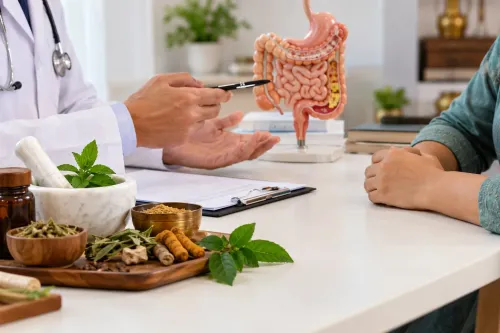
Your diagnosis alone should not determine a Panchakarma procedure. An Ayurvedic consultation should assess whether elimination is suitable at all, then match the method to your symptoms, Prakriti, digestive capacity, age, strength, disease stage, season, tissue status and previous treatment response.
1. Review symptoms, bowel habits, appetite, sleep, weight, pulse or examination findings, conventional diagnoses, laboratory or imaging reports, current medicines, supplements, allergies, pregnancy status, prior surgery, and kidney, liver or blood-pressure problems. Do not stop prescribed medicines or postpone urgent medical care for Panchakarma.
2. Consider Vamana for a carefully selected patient when therapeutic emesis is indicated; weakness, dehydration and certain gastrointestinal conditions can make it unsafe. Virechana uses purgation and requires the same level of screening, not a routine “detox” appointment.
3. Choose Basti according to the intended purpose and the person’s condition: decoction enema and oil enema are distinct treatments. Nasya delivers medicine through the nose and suits selected head, neck or upper-airway concerns, while Raktamokshana is a bloodletting procedure used in some Ayurvedic traditions rather than a universally included Panchakarma component.
4. Select a related therapy or no Panchakarma when preparation, local treatment, diet, medicines or observation better fits the findings. Ask which procedure is proposed, why it fits you, and what would make the practitioner cancel it.
The final individual Panchakarma plan should also name every product, dose, manufacturer, batch number and quality test. Appearance and taste cannot reveal lead, mercury or arsenic contamination.
The Clinical Pathway: Consultation, Preparation, Procedure and Recovery
A properly planned course begins with medical screening, not a massage appointment. The practitioner reviews your symptoms, diagnosis, digestion, bowel habits, sleep, age, strength, medicines, allergies, pregnancy status, previous procedures, and relevant blood tests or scans.
1. During the consultation, disclose kidney or liver disease, blood-pressure problems, surgery, dehydration, and gastrointestinal illness. Do not stop prescribed medicines or postpone urgent medical care. Ask for the exact name, manufacturer, ingredients, dose, batch number, and quality-testing details of every Ayurvedic product.
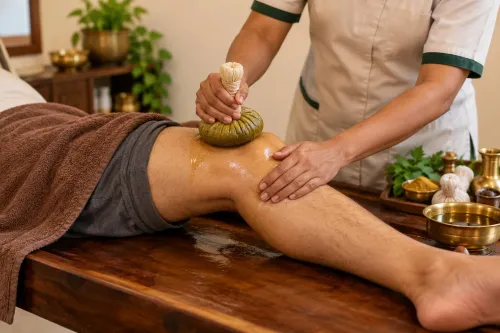
2. Purvakarma prepares you for the selected intervention. It can include digestive preparation, oleation or Snehana, and sweating, with the duration adjusted to your response. Arrange time away from work, simple meals, privacy, and transport if weakness or repeated bowel evacuation is expected.
3. Pradhana Karma is the supervised main procedure, not an automatic sequence of all five therapies. The practitioner records your baseline condition, monitors you during treatment, and stops or modifies it if vomiting, diarrhoea, dizziness, pain, dehydration, or another concerning response develops.
4. Recovery begins immediately after the procedure. Samsarjana Krama rebuilds digestion through gradually increased meals, starting with thin, easy-to-digest food before returning to normal portions. Follow instructions on fluids, rest, bathing, exercise, sex, alcohol, and driving; schedule follow-up to review symptoms, bowel function, medicines, and further treatment.
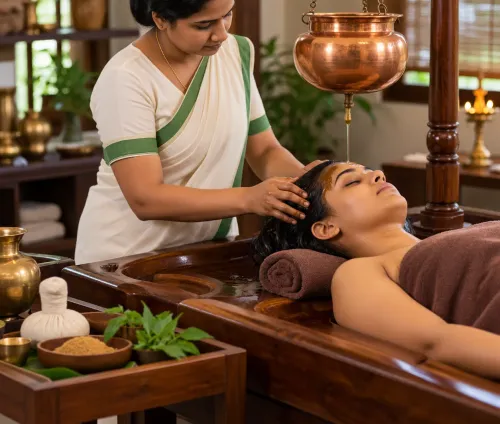
A short spa visit does not equal a clinical course. Confirm how many days include preparation, the procedure, observation, and dietary recovery, and who you contact after discharge.
What You May Experience With Vamana, Virechana, Basti and Nasya
Expect a supervised procedure matched to your strength, digestion, illness and response—not a fixed sequence. The procedure itself may take minutes or several hours, but preparation, observation and recovery often determine the length of the appointment or course.
- Vamana induces therapeutic vomiting after prescribed preparation. A practitioner monitors you throughout; nausea, retching, sweating, fatigue and throat irritation can occur. Rest, fluids and a gradual diet are needed afterward.
- Virechana uses medicine to produce repeated bowel evacuation. Cramping, urgency, loose stools, weakness and dehydration are possible, so remain near a toilet and report dizziness, faintness, severe pain or persistent vomiting.
- Basti delivers medicine through the rectum. A decoction enema, called Niruha or Asthapana Basti, and an oil enema, Anuvasana Basti, are different treatments with different substances, volumes and retention expectations. Ask what is being used, how it is prepared, and when symptoms require stopping.
- Nasya places medicated oil, powder or liquid into the nostrils after local preparation. It can cause nasal or throat irritation, sneezing, drainage and a temporary heavy-headed feeling; remain under observation until these effects settle.
Do not schedule an eliminative procedure as a quick spa visit. Immediate recovery may require lying down, hydration and assistance travelling home, especially after Vamana or Virechana. Food is reintroduced gradually, beginning with thin, easy-to-digest preparations and advancing only as appetite, bowel function and energy return.
How Strength, Season, Response and Safety Change the Treatment
The same diagnosis does not justify the same Panchakarma intensity. A practitioner adjusts the procedure, dose, duration and follow-up to your age, constitution, digestive capacity, tissue strength, disease stage and season; two people with identical symptoms may receive different plans or no eliminative procedure.
- Reduced strength, older age, childhood, pregnancy or frailty calls for gentler measures, shorter sessions and closer review.
- Strong digestion and stable bowel function may support a carefully planned course; poor appetite, irregular stools or weak digestion call for correction before elimination.
- Acute illness, advanced disease, recent surgery or marked weakness requires treating the immediate risk first. A chronic, stable condition may allow gradual treatment.
- Hot weather increases fluid-loss risk, while cold or rainy seasons can alter appetite, digestion and recovery needs. The practitioner should adjust timing, warming measures and fluids.
- Review kidney disease, liver disease, blood-pressure problems, diabetes, heart or gastrointestinal illness, allergies and current medicines before scheduling treatment. Do not stop prescribed medicines.
After the first session, persistent vomiting or diarrhoea, dizziness, fainting, confusion, breathing difficulty, blood, dehydration or an electrolyte disturbance requires prompt medical assessment and stopping further procedures. These are Panchakarma contraindications until evaluated, not signs that treatment is “working.”
Ask which Ayurvedic medicines will be used, their dose, manufacturer and batch number, and whether laboratory testing supports their quality. Medical records and relevant laboratory testing should guide follow-up, especially when symptoms change; urgent conventional care must not be delayed for Panchakarma.
How to Recognise Supervised Clinical Panchakarma
A supervised clinical Panchakarma provider can show you who will assess you, who will monitor each procedure, and what happens if your condition changes. A spa detox package that promises a fixed sequence, rapid toxin removal or massage-only care is not equivalent to authentic Panchakarma.
Before booking, ask for:
- A medical review covering diagnosis, symptoms, digestion, bowel habits, medicines, supplements, allergies, pregnancy status, prior surgery, blood pressure, kidney or liver disease, age, strength and relevant reports.
- The exact procedures proposed, such as Vamana, Virechana, Anuvasana or Niruha Basti, or Nasya, plus the reason for choosing each one.
- The practitioner’s name, qualifications and availability during preparation, treatment and recovery.
- Written records of assessment, consent, medicines, procedure details, observations and adverse symptoms.
- A named emergency plan, referral facility and clear post-discharge diet, activity limits, warning signs and follow-up care.
| Clinical feature | Supervised programme | Spa detox package |
|---|---|---|
| Medical review | Individual history, medicines and reports | Intake form or fixed screening |
| Supervision | Trained clinician observes and can stop treatment | Therapist-led session |
| Documentation | Consent, notes and discharge instructions | Receipt or treatment menu |
| Safety | Emergency pathway and scheduled review | Advice to seek help elsewhere |
At Omkar Ayurved, ask the clinician to explain these items in your consultation and show how the proposed plan changes for your medicines, strength and response; do not stop prescribed treatment without the prescribing doctor’s advice.
Related services
Panchkarma Vaman Best Vaman Treatment in Pune Panchakarma means the five ‘kriyas’, which is to purify and eliminate the impurities from the body. |
Panchkarma Best Abhyanga/Snehan Treatment in Pune Panchakarma means the five ‘kriyas’, which is to purify and eliminate the impurities from the body. View service → |
Frequently asked questions
How does an Ayurvedic practitioner choose a Panchakarma procedure?
The practitioner assesses whether elimination is suitable, then considers your symptoms, Prakriti, digestion, age, strength, disease stage, season, tissue status and prior treatment response before selecting a procedure.
What happens during the clinical Panchakarma pathway?
Treatment follows four stages: consultation, preparation, the selected procedure and recovery. Your response and strength guide monitoring and the pace of each stage.
What might you experience with Vamana, Virechana, Basti or Nasya?
Vamana involves therapeutic emesis, Virechana therapeutic purgation, Basti administration through the rectum and Nasya administration through the nasal passages. Each requires procedure-specific preparation, supervision and recovery.
How do season, strength and treatment response change Panchakarma?
The practitioner adjusts procedure choice, intensity, timing and recovery when your strength, digestive capacity, season or response indicates that the original plan needs modification.
How can you recognise supervised clinical Panchakarma?
A supervised setting begins with an individual assessment, explains the selected procedure and preparation, monitors you during treatment, records your response and provides recovery instructions.
Related services
Panchkarma Nasya Best Nasya Treatment in Pune Panchakarma means the five ‘kriyas’, which is to purify and eliminate the impurities from the body. |
Panchkarma Best Rakta Mokshan Treatment in Pune Panchakarma means the five ‘kriyas’, which is to purify and eliminate the impurities from the body. View service → |
Panchkarma Best Agni Karma Treatment in Pune Panchakarma means the five ‘kriyas’, which is to purify and eliminate the impurities from the body. View service → |
Panchkarma Pizichil Best Pizichil Treatment in Pune Pizhichil or Sarvangdhara as the name indicates, means dhara given on whole body. |