
Joint pain is one of those symptoms that can sound simple until it begins interfering with everyday life. A painful knee may make stairs difficult, shoulder stiffness can interfere with dressing, and hand pain can affect work requiring fine movements.
People searching for the best treatment for joint pain often want to know which therapy to choose. A better starting question is what is causing the pain.
The Best Treatment for Joint Pain Depends on the Cause
Joint pain can arise from several conditions, including osteoarthritis, inflammatory arthritis, gout, injury, overuse, infection, and problems involving surrounding muscles or tendons.
The location and pattern provide useful clues.
Pain in one knee after an injury needs a different assessment from symmetrical swelling in several small joints. Sudden severe pain with redness and warmth is also different from gradual stiffness that has developed over several years.
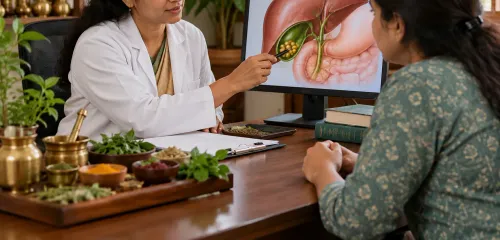
Before beginning a long treatment program, establish whether a diagnosis has already been made and whether further investigation is required.
Know When You Are Ready for Conservative Care
Conservative management may be appropriate when serious causes have been excluded and the treatment goal is improving mobility, managing discomfort, supporting strength, and reducing avoidable aggravating factors.
Patients considering Ayurvedic care should be ready to discuss:
- Duration of symptoms
- Joints affected
- Swelling and stiffness
- Previous injuries
- Existing diagnoses
- Current medicines
- Exercise habits
- Occupational demands
- Relevant scans and blood tests
These details allow treatment to be more specific.
Ayurveda Can Be One Part of Joint Management
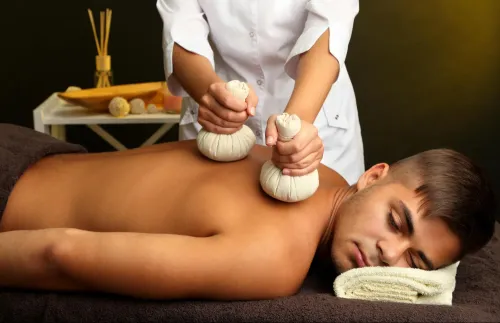
Depending on the diagnosis and individual assessment, Ayurvedic management may involve external therapies, prescribed formulations, diet and lifestyle guidance, and selected Panchakarma procedures.
Omkar Ayurved provides Ayurvedic care in Pune for people exploring individualized management of joint and musculoskeletal concerns.
The presence of structural joint changes does not mean that every patient requires the same treatment. Likewise, choosing Ayurveda should not mean ignoring physiotherapy, rehabilitation, investigations, or specialist assessment when they are clinically appropriate.
Measure Function Rather Than Pain Alone
Pain intensity naturally receives attention, but function can provide an equally useful measure of treatment progress.
Consider whether you can:
- Walk more comfortably
- Use stairs with greater confidence
- Sit and stand with less difficulty
- Move the joint through a better range
- Perform work tasks more easily
- Sleep with fewer interruptions
- Resume suitable physical activity
These practical changes can help determine whether the management plan is producing meaningful improvement.
Know When Further Evaluation Is Needed
Joint pain accompanied by fever, significant redness, marked warmth, rapid swelling, or severe inability to move the joint requires prompt assessment.
A major injury, obvious deformity, unexplained persistent night pain, or progressive weakness should also be investigated.
Long-lasting morning stiffness with swelling in several joints may suggest an inflammatory condition requiring specific medical evaluation.
These symptoms should not simply be managed with repeated massage or pain-relieving remedies.
Ask the Right Questions Before Starting
Before beginning treatment, ask what the likely diagnosis is, what each recommended therapy is intended to achieve, how long the initial treatment phase will last, and how progress will be reviewed.
Also ask whether exercise is recommended and whether any activities should temporarily be modified.
A clear answer to these questions is more useful than a promise of rapid results.
For patients in Pune, finding the best treatment for joint pain is ultimately a process of matching care to the diagnosis, severity, functional limitations, and personal health profile. When assessment, appropriate movement, rehabilitation, and individualized Ayurvedic treatment are combined thoughtfully, patients have a clearer framework for managing joint health over the longer term.
Keywords