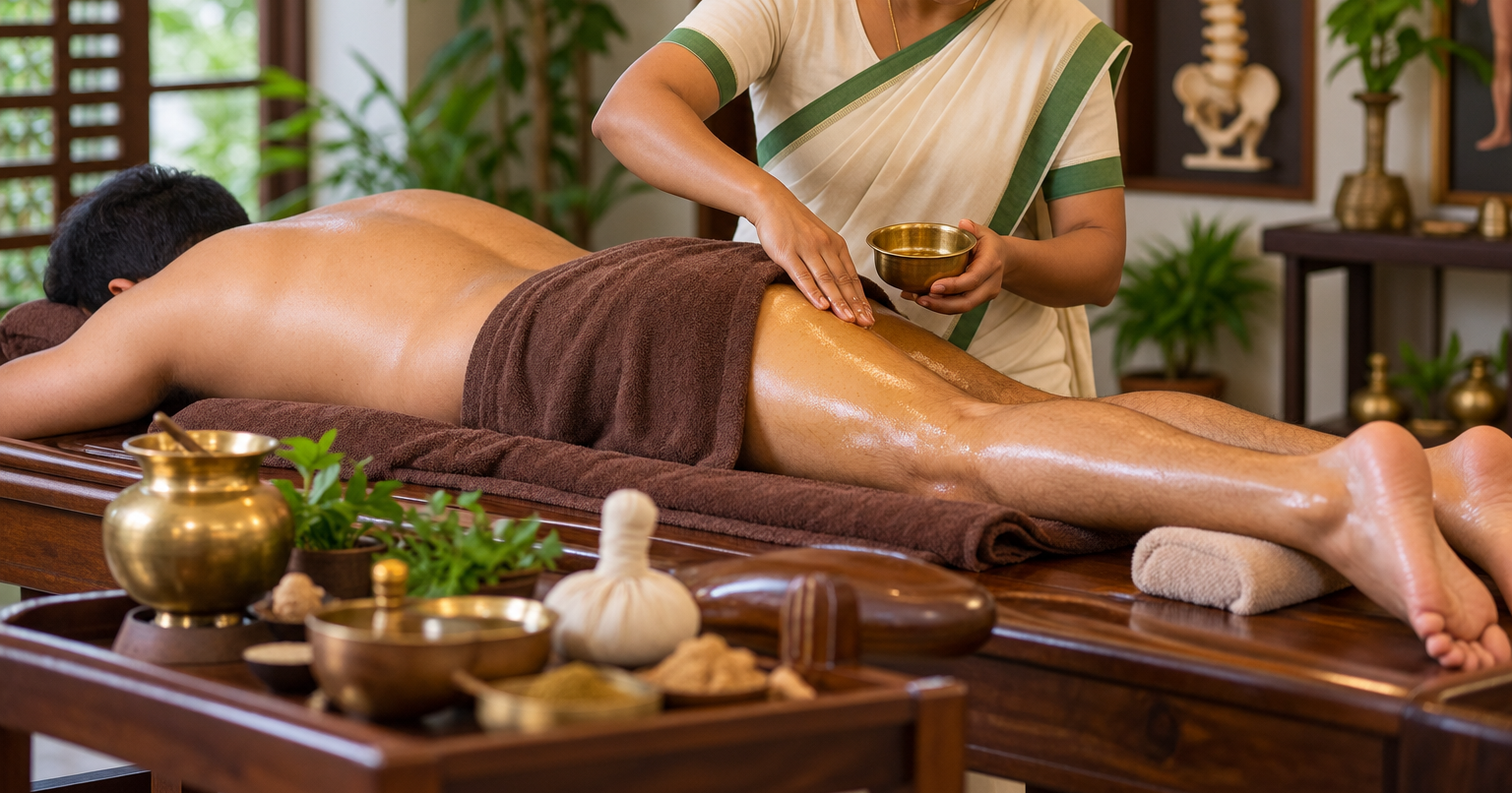
Sciatica often feels different from ordinary backache. Pain may begin around the lower back or buttock and travel down one leg, sometimes accompanied by tingling, numbness, burning, or weakness. When these symptoms persist, some people consider Ayurvedic treatment for Sciatica as part of conservative care.
The key question is whether the symptoms are truly related to irritation or compression of a nerve root. Accurate assessment matters because several conditions can produce leg pain.
What Should Be Checked Before Ayurvedic Treatment for Sciatica
A useful evaluation should establish where the pain begins, how far it travels, what movements aggravate it, and whether neurological symptoms are present.
The physician may also need information about previous episodes, injuries, occupation, exercise habits, diabetes, spinal conditions, medications, and available imaging.
Sciatic-type pain may occur in association with disc problems, degenerative spinal changes, narrowing around spinal nerves, and other musculoskeletal conditions.
Not every patient requires immediate imaging, but imaging may become relevant when symptoms are severe, persistent, progressive, or associated with concerning clinical findings.
How Ayurveda Approaches Individualized Care
Ayurvedic care is generally based on an individual assessment rather than a single standardized procedure for everyone with radiating leg pain.
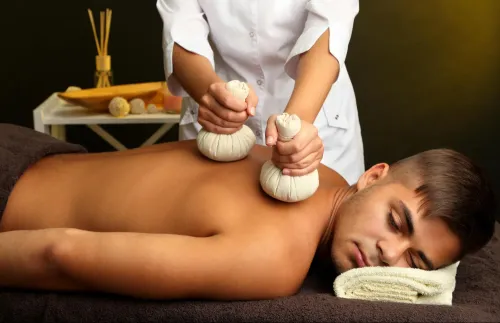
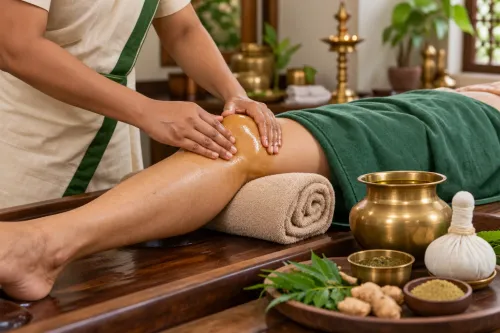
Depending on the findings, management may include physician-prescribed Ayurvedic medicines, external therapies, lifestyle modification, dietary guidance, and selected Panchakarma procedures.
At Omkar Ayurved in Pune, the patient's existing diagnosis and investigations can be considered when determining whether a particular Ayurvedic approach is suitable.
This is particularly important because aggressive massage or manipulation is not automatically appropriate for every spinal or nerve-related complaint.
Compare Symptom Relief With Functional Improvement
When evaluating any treatment, look beyond short-term changes in pain intensity.
Useful questions include:
- Can you walk farther without symptoms increasing?
- Is sitting becoming easier?
- Is sleep less disrupted?
- Is tingling becoming less frequent?
- Is leg strength stable?
- Can normal activities be resumed gradually?
Tracking these changes gives a more complete picture of progress.
A pain score alone may not reveal whether nerve-related function is improving.
Movement Can Be Part of Recovery
Prolonged bed rest can contribute to deconditioning. Unless a clinician has advised otherwise, gradual movement is often preferable to remaining inactive for extended periods.
The right exercises depend on the cause and symptom pattern. Some movements that help one person may aggravate another.
A rehabilitation plan can therefore be more useful than copying generic sciatica exercises from videos.
People who spend much of the day sitting may also benefit from reviewing workstation ergonomics, movement breaks, driving duration, and lifting technique.
Know the Symptoms That Need Urgent Attention
Certain symptoms should not wait for routine Ayurvedic treatment.
Urgent assessment is required if there is new loss of bladder or bowel control, numbness around the groin or saddle area, rapidly worsening leg weakness, or severe neurological changes.
These features may indicate significant nerve compression requiring immediate medical evaluation.
Fever, major trauma, unexplained weight loss, or severe persistent night pain also warrant careful investigation.
How Long Can Sciatica Take to Improve
Recovery varies considerably.
Some episodes settle with conservative care, while symptoms associated with significant nerve compression may last longer and require additional intervention. Duration alone does not determine severity, which is why neurological changes deserve attention.
When considering Ayurvedic treatment for Sciatica, patients in Pune should focus on diagnosis, symptom progression, mobility, and neurological function. A structured treatment plan can then be adjusted according to how the person responds rather than relying on a predetermined course that assumes every case of sciatica behaves identically.
Keywords