Neck stiffness after desk work, recurring lower-back discomfort, restricted spinal movement, and radiating pain are sometimes casually described as spondylitis. Yet different spinal conditions can produce similar symptoms. Finding the best treatment for spondylitis therefore begins with understanding what is actually causing the problem.
This distinction is particularly relevant in Pune, where long working hours, daily commuting, sedentary routines, and extended computer use can contribute to mechanical neck and back complaints.
Why the Best Treatment for Spondylitis Starts With Diagnosis
The word spondylitis technically refers to inflammation involving the spine, although it is often used loosely for age-related or degenerative spinal problems.
Cervical spondylosis, lumbar spondylosis, ankylosing spondylitis, muscular strain, disc-related problems, and nerve compression are not interchangeable conditions.
A proper evaluation may consider:
- Exact location of pain
- Duration and progression
- Morning stiffness
- Movement restrictions
- Pain spreading into an arm or leg
- Tingling or numbness
- Muscle weakness
- Previous injuries
- Existing scans and investigations
- Occupational and postural factors
This information helps determine whether conservative management is reasonable or further investigation is needed.
Posture Is Only One Part of the Picture
Poor posture can contribute to muscular fatigue and mechanical discomfort, but blaming every spinal symptom on posture can oversimplify the problem.
Someone who works at a computer may benefit from adjusting screen height, chair support, keyboard position, and movement breaks. Yet persistent neurological symptoms need more than an ergonomic adjustment.
Similarly, complete bed rest is rarely an ideal long-term response to routine mechanical back or neck pain unless specifically advised for a medical reason.
Appropriate movement and gradual activity are usually important components of rehabilitation.
Where Ayurveda May Fit Into Spondylitis Management
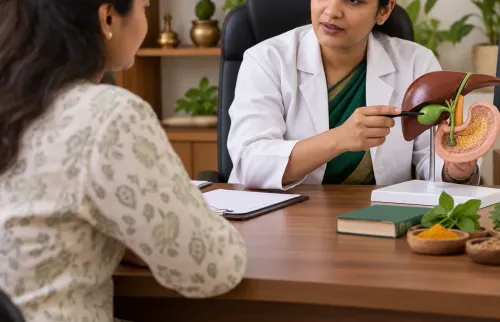
Ayurvedic management can be considered after the patient's symptoms and diagnosis are reviewed.
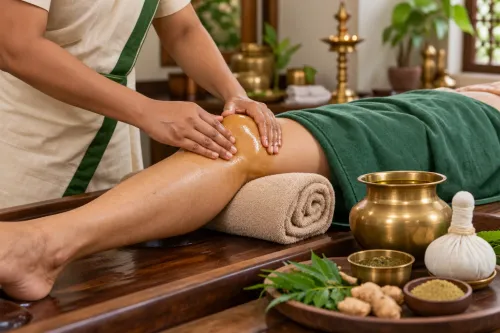
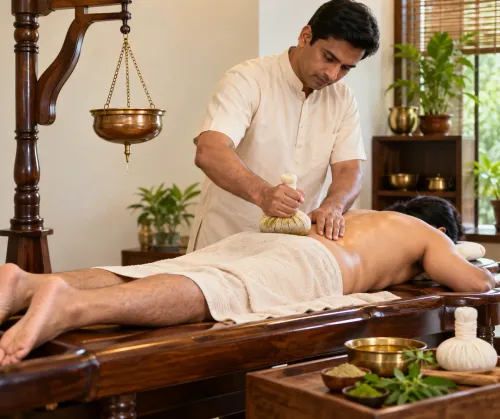
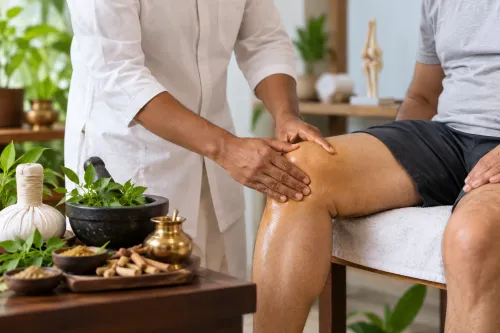
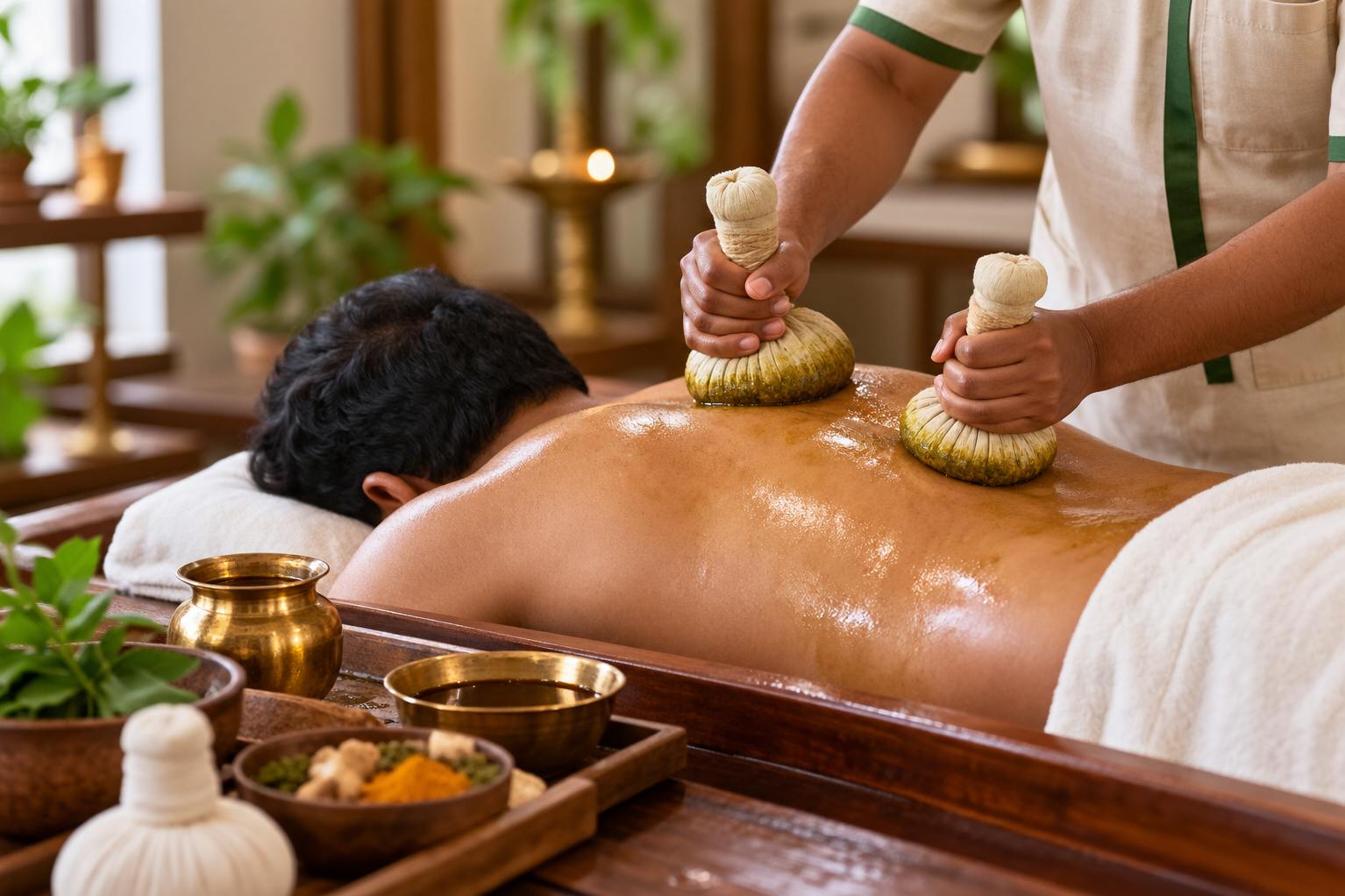
Depending on individual suitability, an Ayurvedic physician may recommend external therapies, prescribed medicines, dietary guidance, daily routine changes, therapeutic exercise, or selected Panchakarma procedures.
At Omkar Ayurved, spinal complaints can be assessed in the context of mobility, symptom patterns, lifestyle, previous treatment, and available investigations before an Ayurvedic plan is selected.
The aim should be individualized management rather than assuming that the same massage, oil therapy, or Panchakarma procedure is appropriate for everyone.
Warning Signs Need Prompt Attention
Some back and neck symptoms require timely conventional medical evaluation.
Seek urgent assessment when spinal pain is accompanied by new bowel or bladder control problems, numbness around the groin or saddle region, significant limb weakness, major trauma, fever, or rapidly progressing neurological symptoms.
Persistent unexplained night pain, unexplained weight loss, or symptoms in someone with a significant medical history also deserve careful evaluation.
These signs should not be managed solely through home remedies.
What Can Patients Do Between Treatments
Daily habits can influence recovery and recurrence.
Avoid remaining in one position for several hours. Introduce brief movement breaks during desk work. Use lifting techniques that keep loads close to the body. Resume exercise progressively rather than returning suddenly to strenuous activity after a painful episode.
Sleep position and mattress comfort can matter, although there is no single mattress specification that suits every spinal condition.
How Do You Know Whether Treatment Is Helping
Progress should be measured through function as well as pain.
Can you turn your neck more comfortably? Can you sit through work with fewer interruptions? Has walking tolerance improved? Are radiating symptoms reducing? Are daily tasks becoming easier?
The best treatment for spondylitis is not defined by a fashionable therapy or one universal protocol. It depends on an accurate diagnosis, the severity of the condition, neurological findings, individual health factors, and response to treatment. That approach gives patients in Pune a more practical foundation for making decisions about long-term spine care.
Keywords