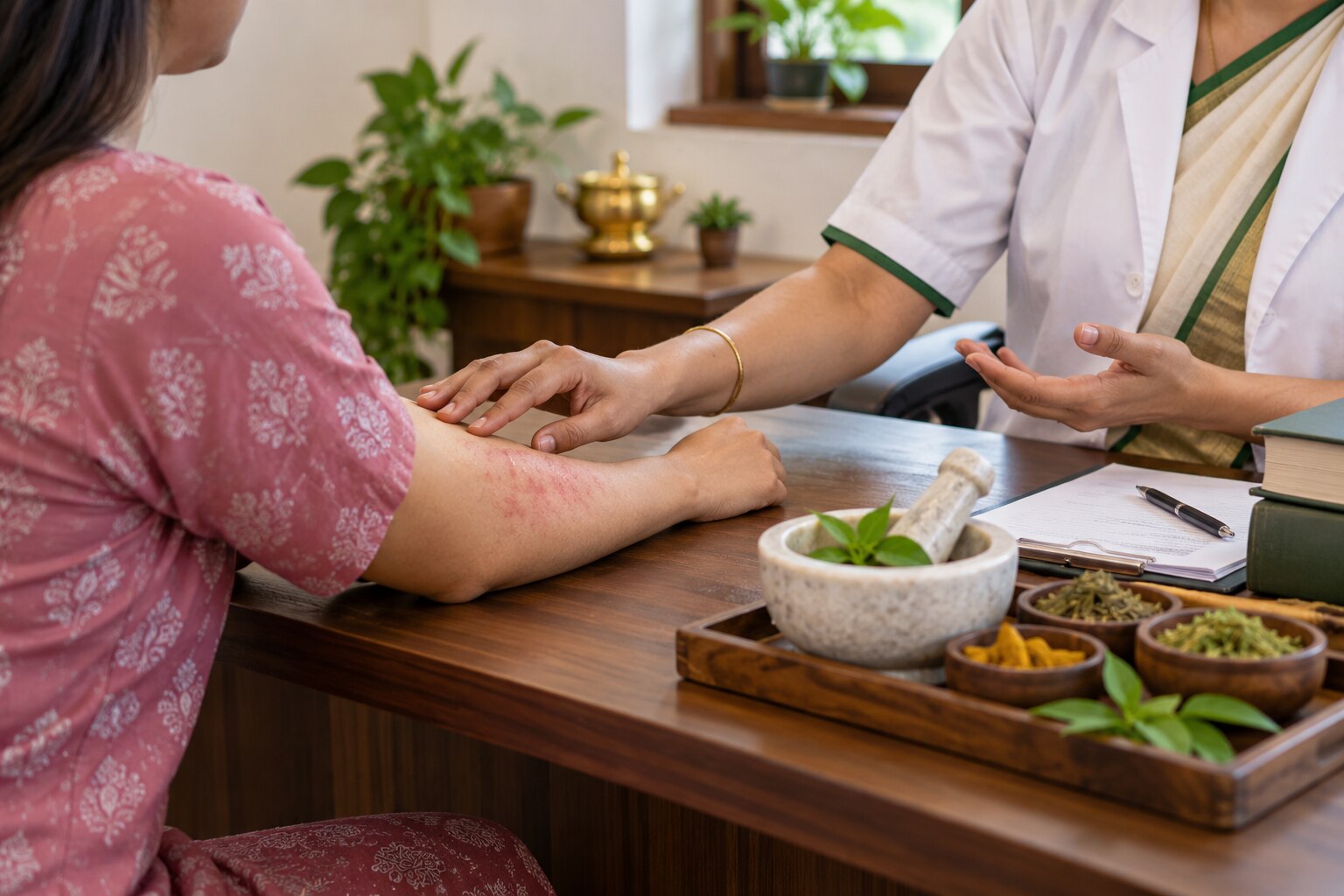
Itching, redness, scaling, acne and recurrent rashes can look similar while requiring very different treatment decisions. By the end, you will know which symptom patterns and personal details an Ayurvedic practitioner assesses, when local care is combined with cause-focused treatment, and when further medical testing is needed.
Key takeaways
- Treatment follows the symptom pattern, not the label “rash.”
- Record triggers, location, duration, spread and recurrence before consultation.
- Address suspected causes alongside local skin symptoms when the assessment supports it.
- Revise the plan when symptoms, triggers or treatment response change.
How the symptom pattern changes the treatment plan
The treatment plan changes with the pattern, not simply the word “rash.” The practitioner examines the skin and asks when it began, where it appears, whether it spreads, what triggers it, and whether heat, food, products, season, stress or medicines affect it. Duration and recurrence also matter.
| Symptom pattern | Ayurvedic pattern clue | Planning implication |
|---|---|---|
| Dryness, cracking or variable pain | Vata features | Consider gentle nourishment and protection; avoid assuming every dry patch is eczema. |
| Redness, heat, burning or inflamed acne | Pitta features | Avoid aggravating heat and irritation; assess severity and inflammation. |
| Oiliness, thickening or slow progression | Kapha features | Review congestion, cleansing and heaviness rather than applying rich oils automatically. |
| Itching with scaling or ring-shaped edges | Mixed pattern or possible fungal infection | Arrange appropriate testing or antifungal care when indicated; steroid creams can mask and spread dermatophyte infection. |
| Oozing skin rash symptoms or marked swelling | Acute, wet inflammation | Reconsider oils and occlusive pastes until infection and severity are assessed. |
| Hives, pigmentation or recurrent patches | Pattern depends on triggers and timing | Trace foods, contact exposure, medicines, sunlight and hormonal changes. |
These are Ayurvedic pattern categories, not diagnoses. Prakriti describes baseline tendencies; vikriti describes the present disturbance. A safe plan also considers associated symptoms, previous treatment, digestion, sleep and general health, with conventional dermatology when the rash is severe, contagious, scarring or systemic.
Which details are assessed before assigning a dosha pattern
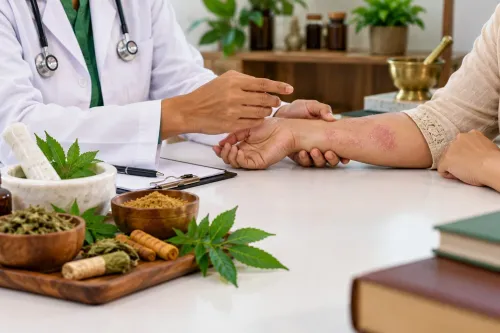
An Ayurvedic assessment examines the skin examination findings alongside the symptom history, duration, location, season, age of onset, triggers, diet, digestion, bowel habits, sleep, stress, medicines and previous treatment. It also records whether symptoms spread, recur, ooze, hurt, burn or affect other body systems.
| Pattern considered | Features that may support it | What the label does not establish |
|---|---|---|
| Vata | Dryness, roughness, variable pain, cracking or fluctuating symptoms | It does not prove eczema, allergy or another named condition |
| Pitta | Redness, warmth, burning, tenderness or inflammation | It does not confirm infection or inflammatory disease |
| Kapha | Oiliness, heaviness, thickening, oozing or slow progression | It does not identify the cause without further examination |
Prakriti describes your longstanding constitutional tendencies, while vikriti describes the current imbalance and symptom pattern. A practitioner compares both rather than treating either as a diagnosis. Mixed features are recorded instead of forcing every complaint into one category.
A safe Ayurvedic skin assessment also checks for ring-shaped or spreading lesions, pus, fever, severe pain, blisters, eye or facial involvement, mucosal sores, scalp inflammation with hair loss and non-healing ulcers. These findings can require microscopy, culture, dermoscopy or biopsy before treatment is selected.
How suspected causes alter Ayurvedic treatment decisions
A suspected nidana, or aggravating cause, changes the plan more than a dosha label alone. The priority is to remove the driver, confirm what the rash is, and use local or internal support without delaying necessary medical care.
- Allergy: Identify the suspected food, product or environmental trigger and stop it. Do not impose blanket bans on dairy, gluten or spices without a clear pattern.
- Contact exposure: For contact dermatitis, review cosmetics, hair dye, metals, detergents, gloves, workplace chemicals and sweating. Removing the exposure can matter more than adding another paste or oil.
- Infection: A skin infection needs examination and, when indicated, testing or antimicrobial treatment. A fungal rash can spread under steroid-containing creams, creating tinea incognito.
- Inflammation: For marked heat, redness, pain or swelling, choose gentle, non-irritating care and arrange evaluation if it is severe, spreading or scarring.
- Medication: A medication reaction requires review of every new tablet, injection and topical product. Do not stop a prescribed medicine without contacting the prescriber.
- Hormonal change: Acne, pigmentation or recurrent rashes linked to menstruation, pregnancy or another hormonal shift prompt cycle and medicine review rather than automatic dietary restriction.
- Internal disease: Widespread rash, persistent itching, ulcers, fever, joint symptoms or bowel changes can require blood tests or specialist care alongside Ayurvedic treatment.
Fragrances, essential oils and botanicals can worsen inflamed skin. A practitioner should reassess the plan when exposure removal fails or symptoms progress.
When local symptom relief is combined with cause-focused care
Use surface treatment when the immediate problem is barrier damage or discomfort: dry skin with cracking, tightness or scaling may need a bland moisturising approach while the assessment looks for harsh cleansers, low humidity, occupational exposure or other aggravators. Local care should not replace cause-finding if the problem persists.
Target the suspected cause when a clear trigger is present. Stop a new cosmetic, review a recently started medicine with a qualified clinician, address sweating or occupational contact, and test for infection when the rash is spreading, painful, crusted or oozing.
Pigmentation needs cause-focused assessment when it follows inflammation, medication, sun exposure or a hormonal change; aggressive lightening products can worsen it.
Use both approaches when the surface is active and the driver is ongoing:
- Acne: gentle, non-occlusive local care alongside assessment of medicines, hormones, products and inflammation.
- Hives and recurrent rashes: relief for itching alongside investigation of triggers, infection, allergy or another medical condition.
- Hot, wet or rapidly inflamed lesions: calming local measures only after the diagnosis is clear; avoid oils, fragrances and essential oils on irritated skin.
Severe, contagious, scarring or systemic illness needs evidence-based medical evaluation. Panchakarma is not a default substitute, and an undiagnosed or infected lesion should not undergo intensive procedures.
What an individualized Ayurvedic skin plan can include
The same rash can need different care at different stages. A plan usually begins with shamana—reducing aggravating factors through food, routine, medicines and local care—before considering shodhana procedures.
- An Ayurvedic diet for skin problems is matched to digestion, bowel habits, suspected triggers, nutritional needs and disease stage. Removing a provoking food matters more than adding restrictive rules.
- Daily routine may address sleep timing, sweating, sun exposure, work-related contact, exercise, stress and bathing habits. The aim is to reduce repeated aggravation without weakening you.
- Internal Ayurvedic medicines require a documented formulation, exact dose, ingredient list and quality information. Check pregnancy or breastfeeding, liver or kidney disease, and interactions with prescribed drugs.
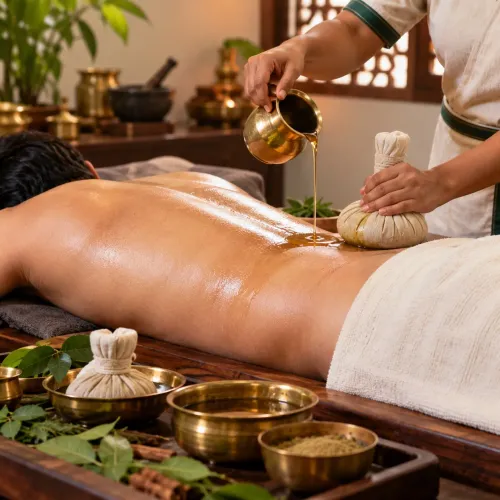
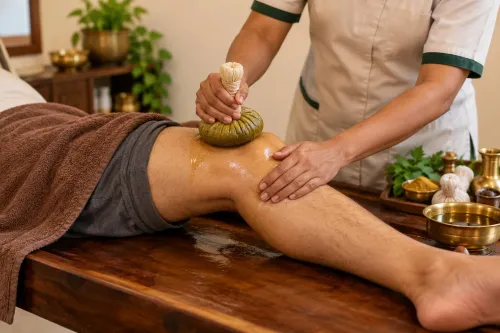
- External Ayurvedic applications—oil, paste, wash, fomentation or medicated bath—are selected for dryness, heat, itching, scaling, discharge, thickness and sensitivity. Stop a product that causes burning or worsening redness; “natural” does not mean non-irritating.
- Safety checks include examination for infection, medication reactions, contagious disease and warning signs such as fever, rapid spread, severe pain or scarring. Severe or unexplained disease needs medical evaluation alongside, or instead of, Ayurvedic care.
- Panchakarma for skin conditions is not automatic. The practitioner weighs disease strength, your strength, age, digestion, season and other illnesses; postpone or avoid it during acute illness, dehydration, pregnancy, frailty, or an infected or undiagnosed lesion.
How progress is measured and when the plan is revised
Allow 30–60 minutes for the initial assessment, including history and skin examination. A follow-up often takes 15–30 minutes, with earlier review for a rapidly changing eruption. At an Omkar Ayurved consultation, ask when the next review will occur and which changes to record at home.
Track skin treatment progress using the same measures each time:
- Fewer new lesions, less itching, burning, pain, oozing or cracking
- Smaller or lighter patches, reduced scaling, and better sleep
- No spread to new areas and no worsening after a medicine, oil, paste or dietary change
- Clearer photographs taken in the same light, alongside dates and symptom scores from 0 to 10
Revise the plan when improvement stalls, symptoms worsen, the skin changes stage, or an application causes irritation. Do not continue an unchanged oil, cleansing procedure or Panchakarma schedule through acute heat, infection, dehydration or a new undiagnosed lesion.
Arrange medical evaluation for fever, pus, marked pain, rapidly spreading or ring-shaped lesions, blisters, eye or mouth involvement, a non-healing ulcer, or suspected contagion; examination, microscopy, culture, dermoscopy or biopsy may be needed.
Frequently asked questions
How does the symptom pattern change Ayurvedic skin treatment?
The practitioner considers the skin’s appearance, location, spread, onset, duration, recurrence and triggers before choosing treatment. A dry, scaling patch calls for a different plan than a moist, inflamed or recurring eruption.
Which details are assessed before assigning a dosha pattern?
The assessment includes colour, temperature, texture, dryness, oiliness, itching, pain, discharge, affected areas, digestion, sleep, stress, season and responses to food or products.
How do suspected causes alter Ayurvedic treatment decisions?
The practitioner reviews possible links with food, heat, cosmetics, medicines, stress, digestion and seasonal change. The plan then targets relevant contributors instead of treating the visible symptom alone.
When is local symptom relief combined with cause-focused care?
The two approaches are combined when the assessment finds an active skin symptom alongside a likely contributing factor. Local measures address discomfort while the broader plan addresses the suspected cause.
How is progress measured and when is an Ayurvedic skin plan revised?
Track itching, redness, scaling, pain, affected area, new lesions, sleep and trigger exposure. The practitioner revises the plan when symptoms worsen, spread, recur, fail to improve or change in character.