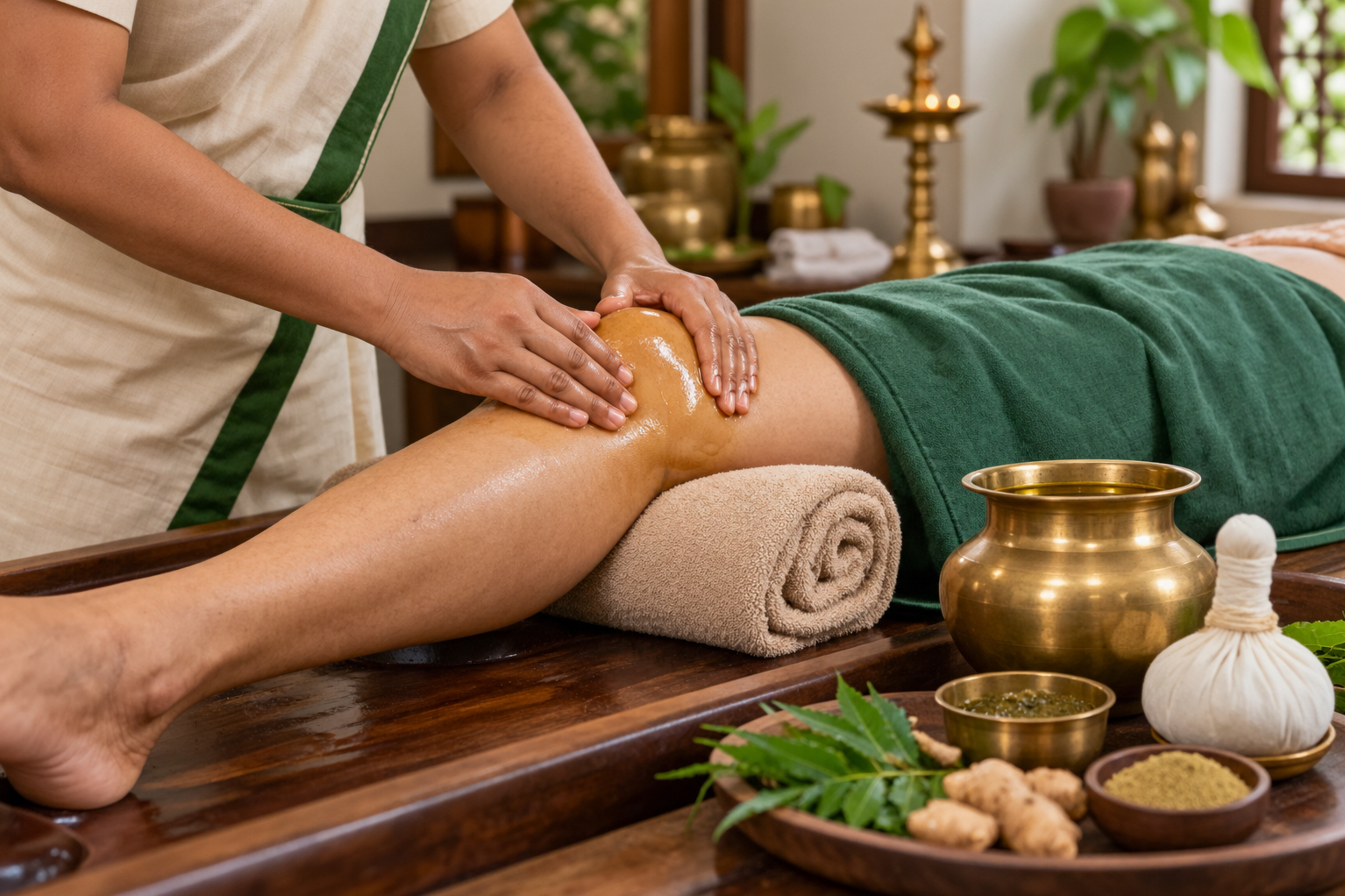
Arthritis can gradually change the way a person walks, works, exercises, sleeps, and manages everyday activities. Morning stiffness, swelling, reduced flexibility, and recurring joint discomfort often lead people to explore Ayurvedic treatment for arthritis alongside appropriate medical evaluation.
For people in Pune, Maharashtra, the goal should not simply be finding temporary relief. Understanding the type of arthritis, the joints involved, the severity of symptoms, and the factors contributing to discomfort is important before deciding on a care plan.
What Ayurvedic Treatment for Arthritis Usually Considers
Arthritis is a broad term rather than a single condition. Osteoarthritis, rheumatoid arthritis, gout-related arthritis, and other inflammatory joint conditions can have different causes and treatment requirements.
An Ayurvedic consultation may therefore consider more than the location of pain. Assessment can include mobility, stiffness patterns, digestion, sleep, daily routine, physical activity, body constitution, and existing medical conditions.
At Omkar Ayurved, these factors can be reviewed before an individualized Ayurvedic care plan is considered.
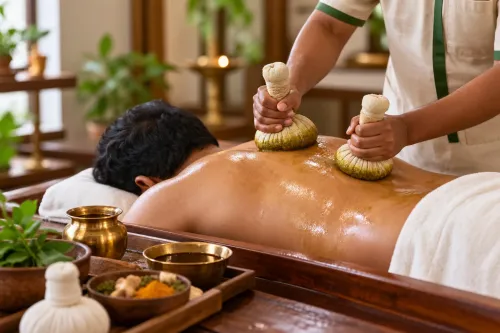
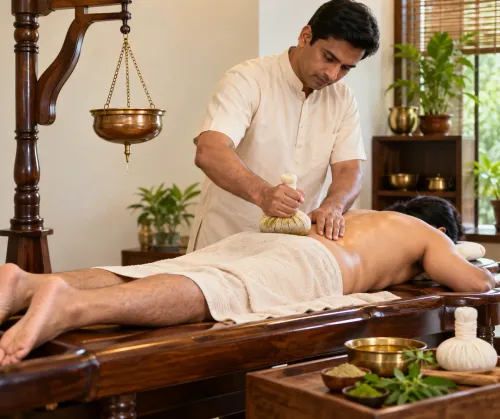
Depending on the clinical assessment, Ayurvedic management may involve dietary guidance, lifestyle changes, therapeutic procedures, prescribed herbal formulations, external therapies, and selected Panchakarma procedures when suitable.
Daily Habits Matter in Ayurvedic Treatment for Arthritis
Joint symptoms are often influenced by what happens between consultations. Long periods of inactivity can contribute to stiffness, while excessive activity may aggravate an already painful joint.
Practical daily measures may include:
- Maintaining appropriate physical activity within comfortable limits
- Avoiding sudden increases in exercise intensity
- Paying attention to posture during work
- Following an appropriate sleep routine
- Managing body weight where clinically relevant
- Eating according to individual digestive tolerance
- Following prescribed exercises or physiotherapy when recommended
The appropriate level of movement depends on the condition. A person with mild osteoarthritis does not necessarily require the same activity plan as someone experiencing an acute inflammatory flare.
When Joint Pain Needs Further Investigation
Not every painful joint should automatically be treated as routine arthritis.
Medical assessment becomes particularly important when there is significant swelling, redness, warmth, fever, sudden inability to bear weight, recent trauma, persistent night pain, or rapidly worsening symptoms.
Similarly, prolonged morning stiffness or pain involving several joints may require investigation for inflammatory arthritis.
People already diagnosed with rheumatoid arthritis or another autoimmune condition should not discontinue prescribed medicines when beginning Ayurvedic care. Coordinated management is especially important in conditions where uncontrolled inflammation can cause progressive joint damage.
Can Ayurveda Help With Chronic Joint Stiffness
Ayurvedic care is commonly explored by people dealing with persistent stiffness and limitations in everyday movement. The exact approach depends on the diagnosis and individual assessment.
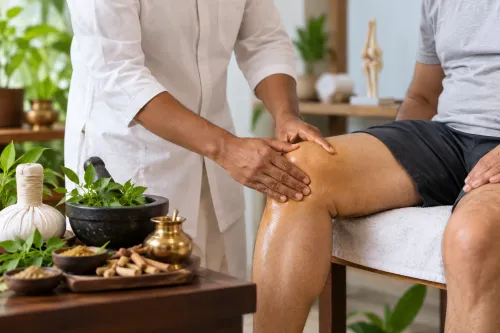
Some patients may be advised external therapies, while others may require a broader plan involving diet, daily routine, therapeutic procedures, and physician-prescribed formulations.
The useful question is not whether one therapy works for every arthritis patient. It is whether the selected treatment matches the person's condition, health status, and treatment goals.
How Long Does Joint Care Take
There is no universal treatment duration for arthritis.
A person with recent mild symptoms may have different needs from someone who has experienced degenerative joint changes for several years. Age, body weight, occupation, mobility, inflammation, structural changes, and associated health conditions can all influence management.
Regular reassessment is therefore valuable. It allows the physician to review changes in stiffness, pain, mobility, activity tolerance, and everyday function rather than relying on a fixed treatment schedule.
For people exploring Ayurvedic joint care in Pune, a sensible starting point is a clear diagnosis followed by individualized treatment. Ayurvedic treatment for arthritis is most meaningful when it forms part of a structured plan focused on safe movement, symptom management, functional ability, and long-term joint health.
Keywords