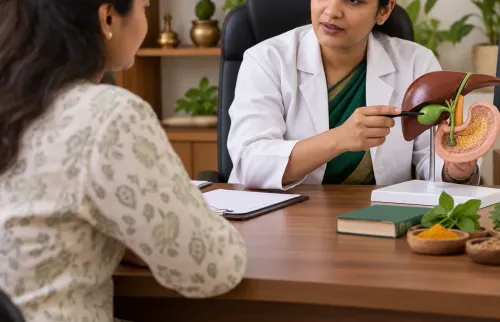
Piles can cause discomfort that many people delay discussing. Bleeding during bowel movements, itching, swelling, pain, and a feeling of incomplete evacuation may eventually lead someone to investigate Ayurvedic treatment for piles.
Before selecting any treatment, however, it is important to establish whether the symptoms are actually caused by piles. Rectal bleeding has several possible causes, and assuming that every episode is due to hemorrhoids can delay appropriate diagnosis.
For residents of Pune and surrounding areas of Maharashtra, an assessment-based approach can make treatment decisions clearer and safer.
Symptoms Considered During Ayurvedic Treatment for Piles
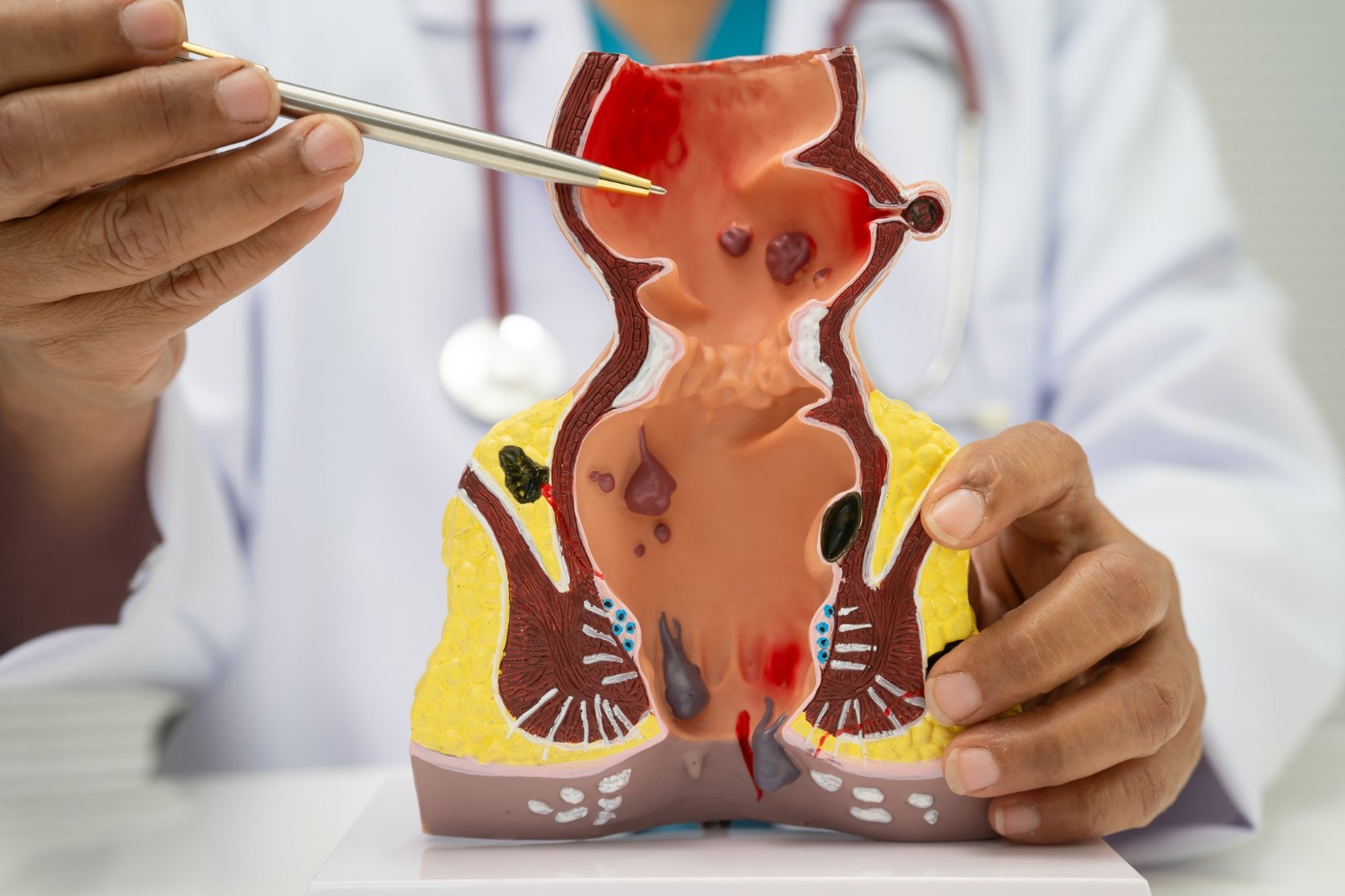
Piles, also called hemorrhoids, are swollen vascular structures around the anal canal. They may be internal, external, or present with features of both.
Common symptoms include:
- Bright red bleeding during bowel movements
- Anal itching or irritation
- Swelling near the anus
- Discomfort while sitting
- Pain during or after passing stool
- Prolapse or a lump that comes outside during defecation
The severity and pattern of symptoms matter. Painful swelling that develops suddenly, for example, requires a different assessment from occasional painless bleeding.
Constipation Can Be an Important Contributing Factor
Repeated straining and hard stools can aggravate hemorrhoidal symptoms. This is why bowel habits often receive considerable attention during conservative management.
An Ayurvedic physician may ask about stool consistency, water intake, dietary fibre, meal timings, digestive symptoms, physical activity, and the amount of time spent sitting on the toilet.
Useful bowel habits generally include adequate hydration, appropriate fibre intake, regular physical activity, and avoiding unnecessary straining.
Increasing fibre abruptly is not suitable for everyone, particularly when a person has certain digestive conditions. Changes should be individualized.
What Ayurvedic Care May Include
Depending on the patient's assessment, Ayurvedic treatment for piles may involve dietary changes, bowel-regulating measures, lifestyle guidance, physician-prescribed formulations, and locally applicable therapies.
Ayurvedic management should not be reduced to buying a single herbal product based on symptoms.
At Omkar Ayurved, patients seeking care in Pune can be evaluated according to their symptoms, bowel habits, health history, and the severity of the condition before treatment options are discussed.
Some cases can be managed conservatively, while advanced or complicated conditions may require procedural or surgical evaluation.
When Rectal Bleeding Should Not Be Ignored
Bleeding deserves particular attention when it is new, recurrent, unexplained, or accompanied by other symptoms.
Prompt medical evaluation is important when bleeding is heavy or persistent, stools appear black, there is unexplained weight loss, significant weakness develops, bowel habits change persistently, or severe abdominal pain occurs.
Age, family history, anaemia, and gastrointestinal history may also influence whether further investigation is appropriate.
This distinction matters because hemorrhoids are common, but they are not the only explanation for rectal bleeding.
Can Piles Return After Treatment
Recurrence is possible, particularly when contributing factors continue.
Persistent constipation, repeated straining, prolonged toilet sitting, low physical activity, and unsuitable dietary habits may continue to place pressure on the anal region.
This makes prevention an important part of management. Even after symptoms improve, maintaining comfortable bowel movements and addressing digestive difficulties can remain useful.
What Should You Discuss at the First Consultation
Patients can make an assessment more useful by explaining when symptoms began, how frequently bleeding occurs, whether a lump is present, whether bowel movements are painful, and what treatments have already been tried.
A diagnosis-first approach helps determine whether Ayurvedic treatment for piles is appropriate and what form it should take. For patients in Pune, the most useful care plan is one that addresses both the current symptoms and the bowel habits or digestive factors that may be contributing to repeated episodes.
Keywords