Skin concerns such as itching, dryness, recurrent rashes, pigmentation changes, and chronic inflammatory conditions can affect comfort and confidence. People considering Ayurvedic treatment for skin problems should first understand that similar-looking skin symptoms can have very different causes.
In Pune, seasonal changes, heat, monsoon humidity, pollution, occupational exposure, and individual lifestyle factors can influence skin complaints. This makes accurate assessment particularly important before starting treatment.
Identify the Problem Before Treating It
A persistent skin condition should not be managed only according to appearance.
During assessment, a practitioner may ask about the location of the lesions, itching, pain, scaling, discharge, duration, previous episodes, food triggers, medicines, allergies, and family history.
Existing dermatologist reports or diagnostic tests should also be shared where relevant.
Ayurveda Looks Beyond Topical Applications
Ayurvedic management may consider diet, digestion, sleep, lifestyle, symptom patterns, and individual constitution in addition to the visible skin complaint.
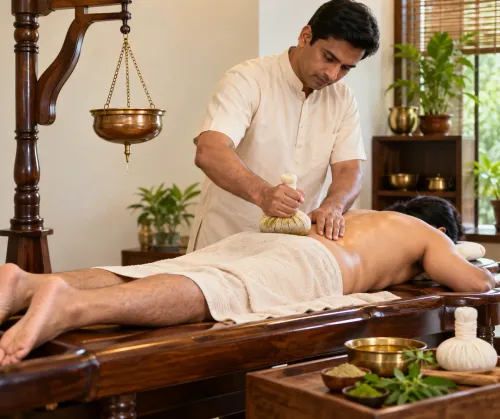
Depending on the diagnosis and suitability, management may include internal Ayurvedic medicines, external applications, dietary advice, lifestyle changes, and selected procedures.
However, patients should avoid assuming that every skin condition results from a single dietary factor or so-called toxin accumulation. Skin disease can have allergic, inflammatory, infectious, autoimmune, hormonal, genetic, and environmental causes.
Avoid Common Self-Treatment Mistakes
People often experiment with multiple home remedies before seeking professional advice.
Common problems include:
- Applying irritating substances to inflamed skin
- Frequently changing products
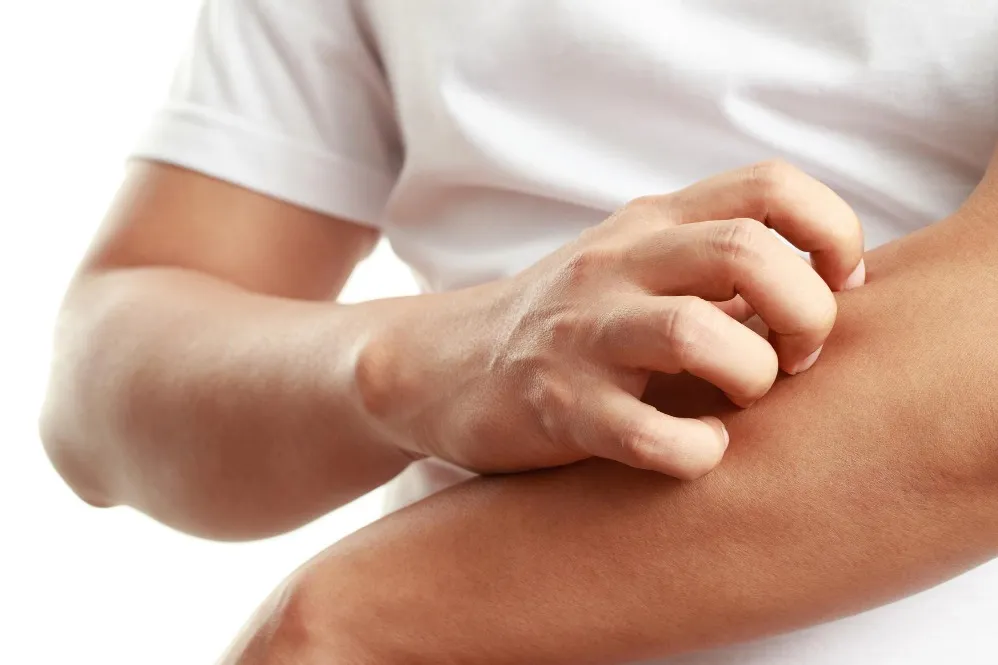
- Scratching itchy lesions
- Using unknown herbal mixtures
- Stopping prescribed medicines suddenly
- Following highly restrictive diets without clinical reason
- Delaying evaluation of spreading or infected lesions
Natural does not automatically mean suitable for every skin type.
When Medical Evaluation Is Important
Rapidly spreading rashes, severe swelling, breathing difficulty, fever with rash, extensive blistering, infected wounds, or reactions after starting a medicine require prompt medical attention.
Persistent changes in a mole, non-healing lesions, unexplained bleeding, or other unusual skin changes should also be medically evaluated rather than managed solely with home remedies.
Evaluate the Treatment Plan Carefully
Before starting long-term Ayurvedic care, ask what the practitioner believes is contributing to the condition, what treatments are proposed, and how progress will be assessed.
A realistic plan should acknowledge that chronic skin conditions may fluctuate and can require ongoing management.
At Omkar Ayurved, assessment can be used to develop an individualized Ayurvedic approach while considering existing diagnoses and previous treatment history.
Lifestyle Measures Can Support Skin Health
Basic measures remain valuable regardless of the treatment system chosen. Adequate sleep, appropriate hydration, balanced nutrition, avoiding known irritants, maintaining skin hygiene, and following condition-specific skincare advice can support overall skin health.
Patients should also protect affected skin from unnecessary friction and avoid excessive experimentation with cosmetic products.
Take a Measured Approach
Ayurveda may appeal to people seeking a more individualized approach to chronic skin concerns, but treatment should remain grounded in responsible assessment.
For patients in Pune and Maharashtra, the right approach is not to search for one universal Ayurvedic remedy for every rash. It is to identify the nature of the problem, recognize situations requiring dermatological care, and choose therapies that are appropriate to the individual's condition.
Keywords