Searching for the best treatment for spondylitis can be confusing because the term is commonly used for several different spinal problems. Neck stiffness caused by degenerative cervical changes is different from inflammatory conditions such as ankylosing spondylitis, and each requires an appropriate diagnosis.
For patients in Pune and across Maharashtra, understanding this distinction is an important first step before selecting Ayurvedic therapies, physiotherapy, exercises, or other treatment.
Start With the Correct Diagnosis
People often use the terms cervical spondylosis and spondylitis interchangeably, but they do not always describe the same condition.
Degenerative spinal changes can cause neck or lower-back pain, stiffness, and sometimes nerve-related symptoms. Inflammatory spinal disorders may involve prolonged morning stiffness and other systemic features.
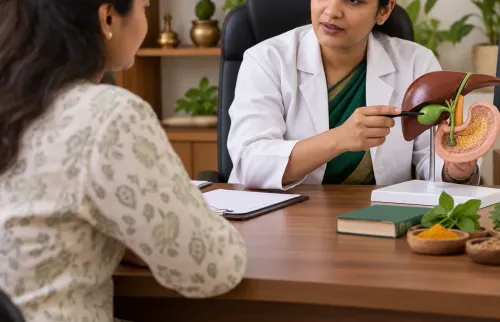
A clinical assessment and, where necessary, appropriate investigations can help clarify the underlying problem.
Treatment Should Address More Than Pain
Pain intensity is important, but it is not the only consideration.
A comprehensive assessment should consider:
- Duration of symptoms
- Location of pain
- Morning stiffness
- Range of movement
- Arm or leg symptoms
- Numbness and tingling
- Muscle weakness
- Previous injuries
- Work posture
- Existing imaging reports
These details help determine the next step.
Where Ayurveda Can Be Considered
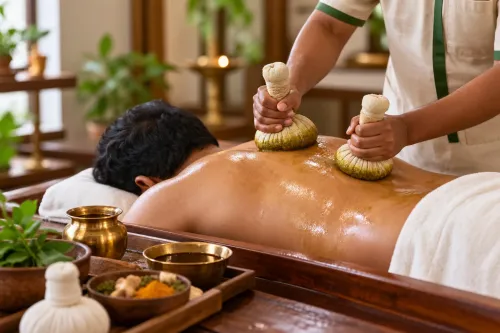
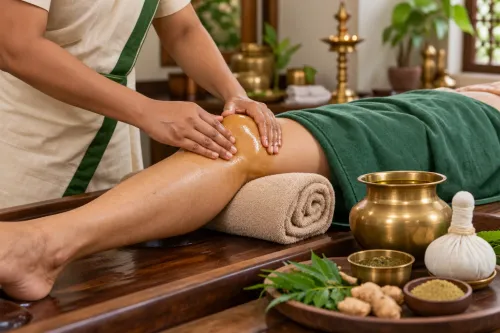
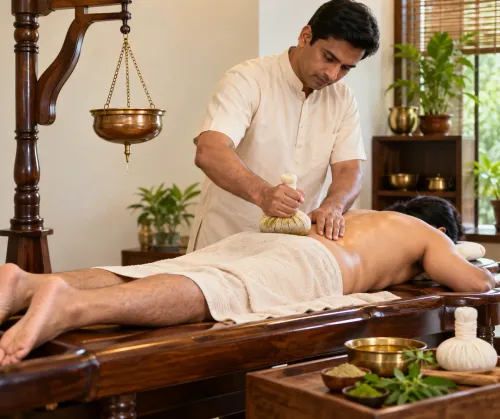
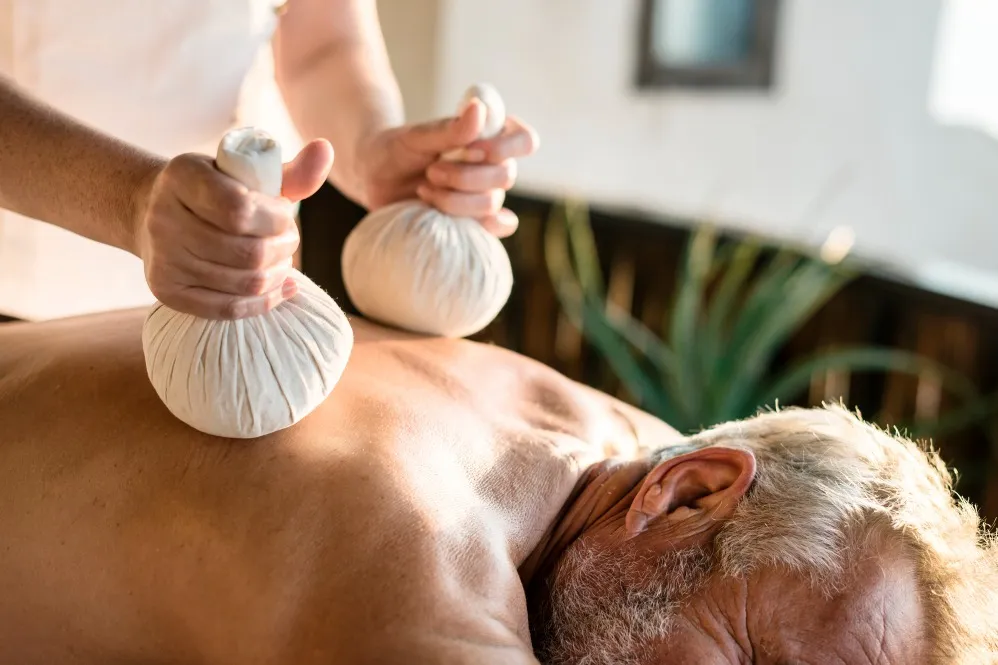
Ayurvedic care for chronic spinal discomfort may include individualized medicines, local therapies, selected Panchakarma procedures, dietary advice, and lifestyle modifications depending on the patient's assessment.
External therapies should not be selected solely because they are popular. The type and stage of the spinal problem, general health, and neurological findings matter.
Omkar Ayurved can evaluate patients seeking an Ayurvedic approach and discuss a plan based on symptoms, health history, and existing diagnostic information.
Workstation Habits Can Influence Symptoms
Pune has a large population working in IT, professional services, manufacturing, and other occupations involving prolonged sitting or repetitive physical work.
Regular movement breaks, suitable screen height, supportive seating, appropriate exercise, and avoiding prolonged awkward postures may help manage mechanical neck and back discomfort.
Ergonomic changes are not a replacement for treatment when significant disease is present, but they can be an important part of long-term management.
Watch for Neurological Symptoms
Pain accompanied by progressive weakness, difficulty walking, loss of coordination, significant numbness, or bladder and bowel changes requires prompt medical assessment.
Severe pain after trauma also deserves evaluation.
Patients with suspected inflammatory spinal disease may require rheumatological assessment and appropriate medical management.
Look Beyond One Therapy
The most suitable management plan may involve several elements rather than a single treatment.
Depending on diagnosis, these can include Ayurveda, physiotherapy, therapeutic exercise, ergonomic modification, weight management, conventional medication, and specialist review.
What works for uncomplicated muscular stiffness may not be appropriate for nerve compression or inflammatory disease.
Make Function the Measure of Progress
Rather than evaluating treatment solely by a pain score, consider whether you can sit comfortably for longer, turn your neck more easily, sleep better, walk normally, and perform everyday activities with fewer limitations.
The best treatment plan is ultimately the one that matches the diagnosis and can be followed safely over time. For people seeking spondylitis care in Pune, accurate assessment and coordinated management provide a stronger foundation than relying on a single therapy advertised as suitable for everyone.
Keywords