Arthritis is a broad term covering conditions that cause joint pain, stiffness, swelling, or reduced movement. Because different forms of arthritis require different management, Ayurvedic treatment for arthritis should be considered only after understanding the nature and severity of the joint problem.
People in Pune frequently seek Ayurvedic care for chronic knee, back, shoulder, and small-joint discomfort. The most appropriate approach depends on whether symptoms arise from osteoarthritis, inflammatory disease, injury, or another underlying condition.
First Understand What Is Causing the Joint Symptoms
Osteoarthritis commonly develops through degenerative changes in joints and is particularly frequent in weight-bearing joints such as the knees.
Inflammatory arthritis, including rheumatoid arthritis, involves a different disease process and may require specialist medical treatment and monitoring.
Joint pain can also result from gout, injuries, infections, tendon problems, or other conditions.
This is why diagnosis matters before selecting therapy.
Where Ayurveda May Fit Into Joint Management
Ayurvedic treatment plans can vary considerably between patients.
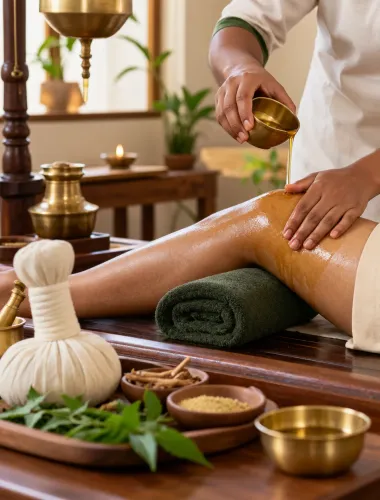
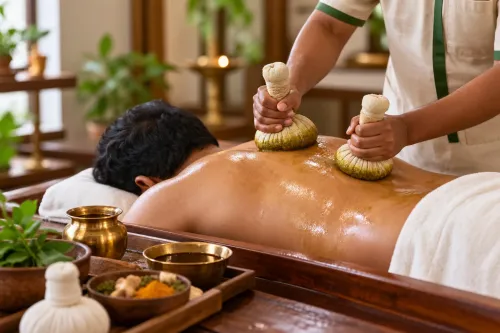
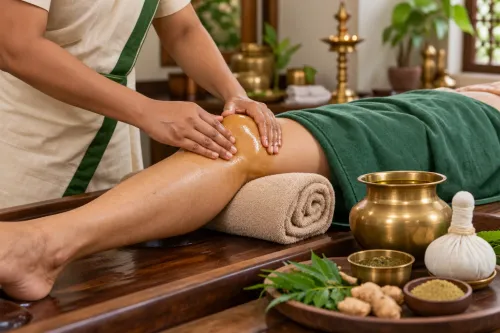
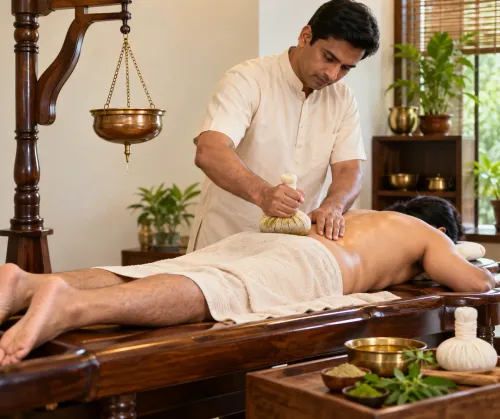
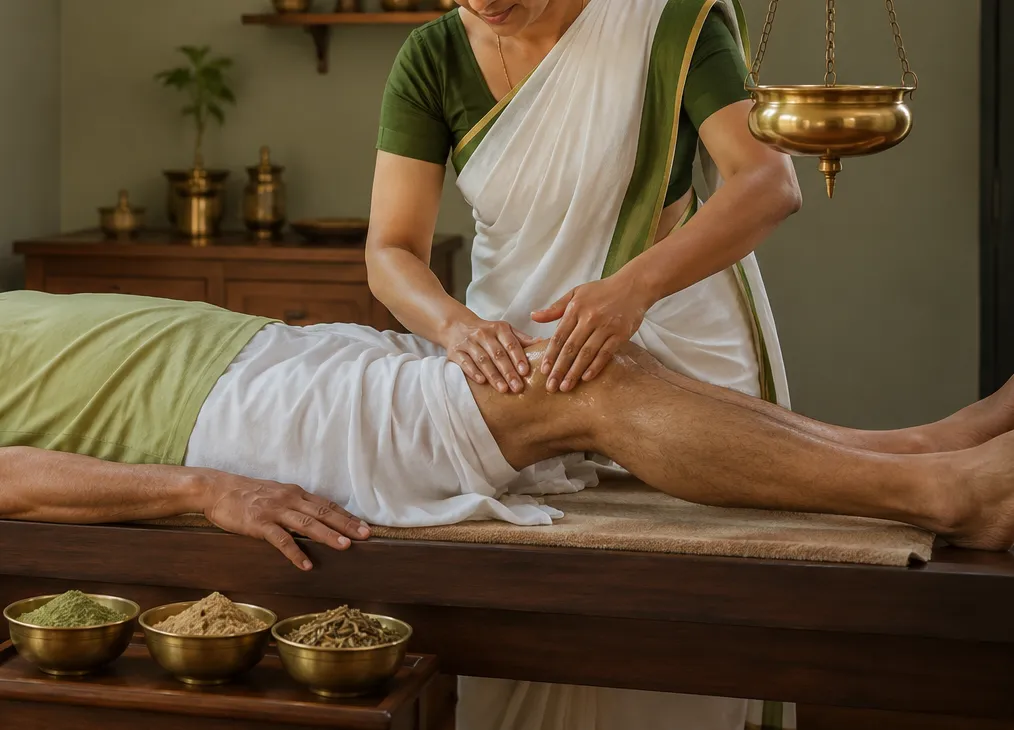
After assessment, a practitioner may consider Ayurvedic medicines, dietary guidance, external therapies, activity recommendations, and selected Panchakarma procedures where clinically appropriate.
The objective may include supporting comfort, mobility, and everyday function rather than promising to reverse structural joint damage.
Weight and Movement Matter
Joint care is not limited to medicines.
For many people with knee and hip osteoarthritis, appropriate exercise and weight management can play an important role in reducing strain and maintaining function.
Depending on medical advice, useful activities may include walking, mobility exercises, strengthening, physiotherapy, or low-impact exercise.
A person who spends most of the day sitting should not suddenly begin strenuous activity. Gradual progression is generally more practical.
Compare Short Term Relief With Long Term Management
Patients sometimes evaluate treatment only by asking whether pain disappears immediately.
Chronic arthritis management requires a wider perspective. Important questions include whether movement is improving, whether daily tasks are becoming easier, whether swelling is controlled, and whether the person can maintain a suitable activity routine.
Temporary symptom relief without addressing contributing factors may not provide a sustainable strategy.
When Specialist Care Is Necessary
Joint pain accompanied by significant swelling, redness, fever, sudden inability to bear weight, severe trauma, or rapidly worsening symptoms should receive appropriate medical evaluation.
Persistent morning stiffness affecting multiple joints may also warrant investigation for inflammatory arthritis.
Patients already receiving disease-modifying medicines for rheumatoid or other inflammatory arthritis should not stop them without consulting their treating specialist.
Build a Coordinated Plan
At Omkar Ayurved, patients seeking Ayurvedic support for chronic joint concerns can discuss their symptoms, previous investigations, medications, activity limitations, and lifestyle before a plan is developed.
Bringing previous X-rays, MRI reports, blood investigations, and prescriptions can make the consultation more informative.
Aim for Better Function
The meaningful goal of arthritis care is often maintaining independence and function.
For individuals in Pune and elsewhere in Maharashtra, a sensible joint-management programme may combine individualized Ayurvedic care with appropriate exercise, physiotherapy, weight management, medical monitoring, and everyday joint protection.
Rather than searching for a single cure for every type of arthritis, patients benefit more from understanding their diagnosis and choosing a management strategy suited to their specific condition.
Keywords