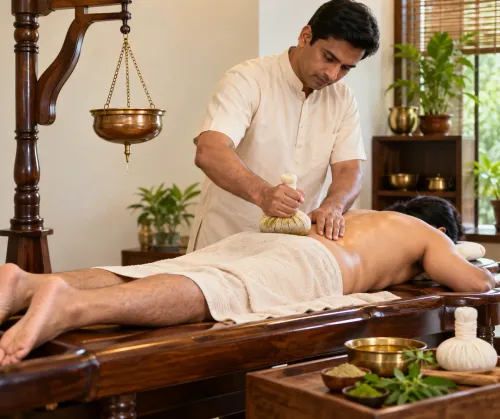

Joint pain can gradually affect everyday activities such as climbing stairs, walking, sitting for long periods, or even getting restful sleep. While many people initially rely on temporary pain management methods, recurring discomfort often leads them to explore holistic approaches that address the root cause. Ayurvedic treatment for joint pain is one such approach that focuses on improving overall joint health while supporting long-term mobility.
Across Pune, many individuals experiencing age-related joint problems, lifestyle-related stiffness, or chronic inflammation are considering Ayurveda as part of their overall healthcare journey.
Why Joint Pain Develops
Joint pain can occur for many different reasons, including:
- Age-related wear and tear
- Arthritis
- Inflammation
- Previous injuries
- Poor posture
- Excess body weight
- Sedentary lifestyle
- Repetitive strain
Ignoring early symptoms may gradually affect flexibility and reduce quality of life.
How Ayurveda Understands Joint Pain
According to Ayurvedic principles, joint pain is often associated with an imbalance of Vata dosha, which governs movement within the body. When this balance is disturbed, individuals may experience symptoms such as:
- Stiffness
- Pain during movement
- Reduced flexibility
- Swelling in some cases
- Cracking sensations
- Difficulty performing routine activities
The exact treatment approach depends on the individual's constitution, health condition, and severity of symptoms.
A personalized Approach to Treatment
Unlike one-size-fits-all methods, Ayurveda recommends treatment after a detailed clinical assessment.
An Ayurvedic doctor may evaluate:
- Medical history
- Lifestyle habits
- Dietary patterns
- Digestion
- Nature of pain
- Joint mobility
- Overall physical health
Based on these observations, a personalized treatment plan is prepared.
Therapies That May Be Recommended
Depending on the diagnosis, treatment may include a combination of therapies such as:
- Herbal medications
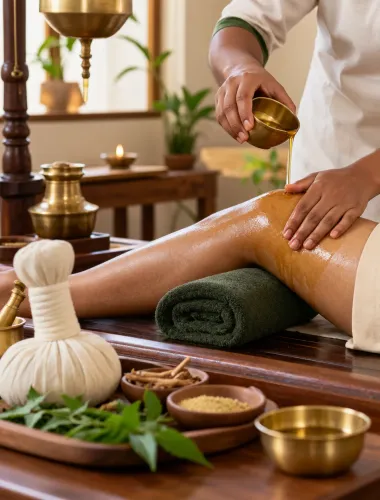
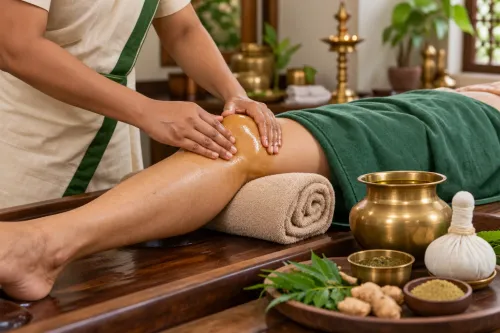
- External oil applications
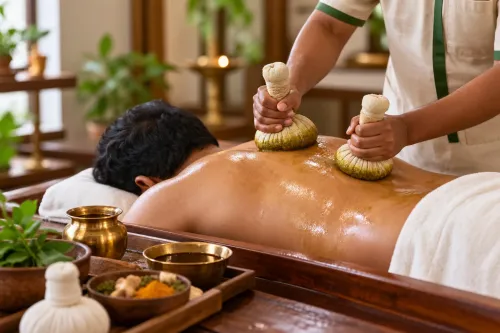
- Therapeutic massages
- Swedana (medicated steam therapy)
- Panchakarma procedures where appropriate
- Dietary recommendations
- Lifestyle modifications
The selection of therapies varies from person to person rather than following a standard protocol.
Everyday Habits That Support Healthy Joints
Along with treatment, simple daily practices can contribute to better joint function.
These include:
- Maintaining a healthy body weight.
- Staying physically active with suitable exercises.
- Following an anti-inflammatory diet as advised.
- Avoiding prolonged sitting.
- Practising proper posture.
- Getting adequate sleep.
- Managing stress effectively.
Consistency with these habits often complements professional treatment.
When Should You Seek Ayurvedic Consultation?
It is advisable to consult an Ayurvedic doctor if joint pain:
- Persists for several weeks
- Limits daily movement
- Returns frequently
- Is associated with stiffness every morning
- Interferes with work or household activities
- Affects sleep or overall comfort
Early assessment allows appropriate management before symptoms become more limiting.
Finding the Right Ayurvedic Care
When choosing an Ayurvedic healthcare provider, look for:
- Qualified Ayurvedic practitioners
- Individualised treatment planning
- Comprehensive consultation
- Authentic therapeutic procedures
- Guidance on diet and lifestyle
- Follow-up support throughout treatment
These factors help ensure treatment is aligned with your specific health requirements.
Ayurvedic Care for Joint Health in Pune
As awareness of holistic healthcare continues to grow across Pune and Maharashtra, many people are exploring Ayurveda for managing chronic musculoskeletal concerns. Healthcare centres such as Omkar Ayurved provide personalized assessments to understand the underlying causes of joint discomfort before recommending suitable therapies based on classical Ayurvedic principles.
Ayurvedic treatment for joint pain aims to improve movement, support joint function, and encourage healthier lifestyle habits rather than focusing only on temporary symptom management. With personalized care, appropriate therapies, and long-term lifestyle changes, individuals can work towards maintaining better mobility and overall quality of life.
Keywords