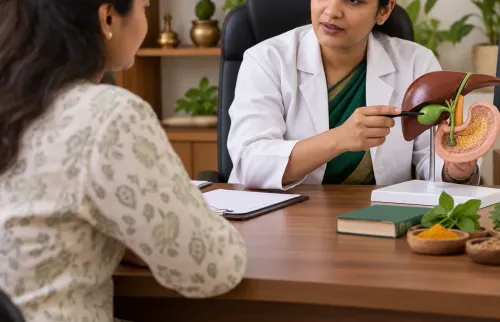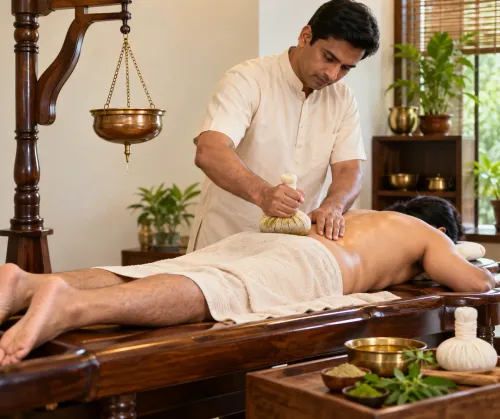
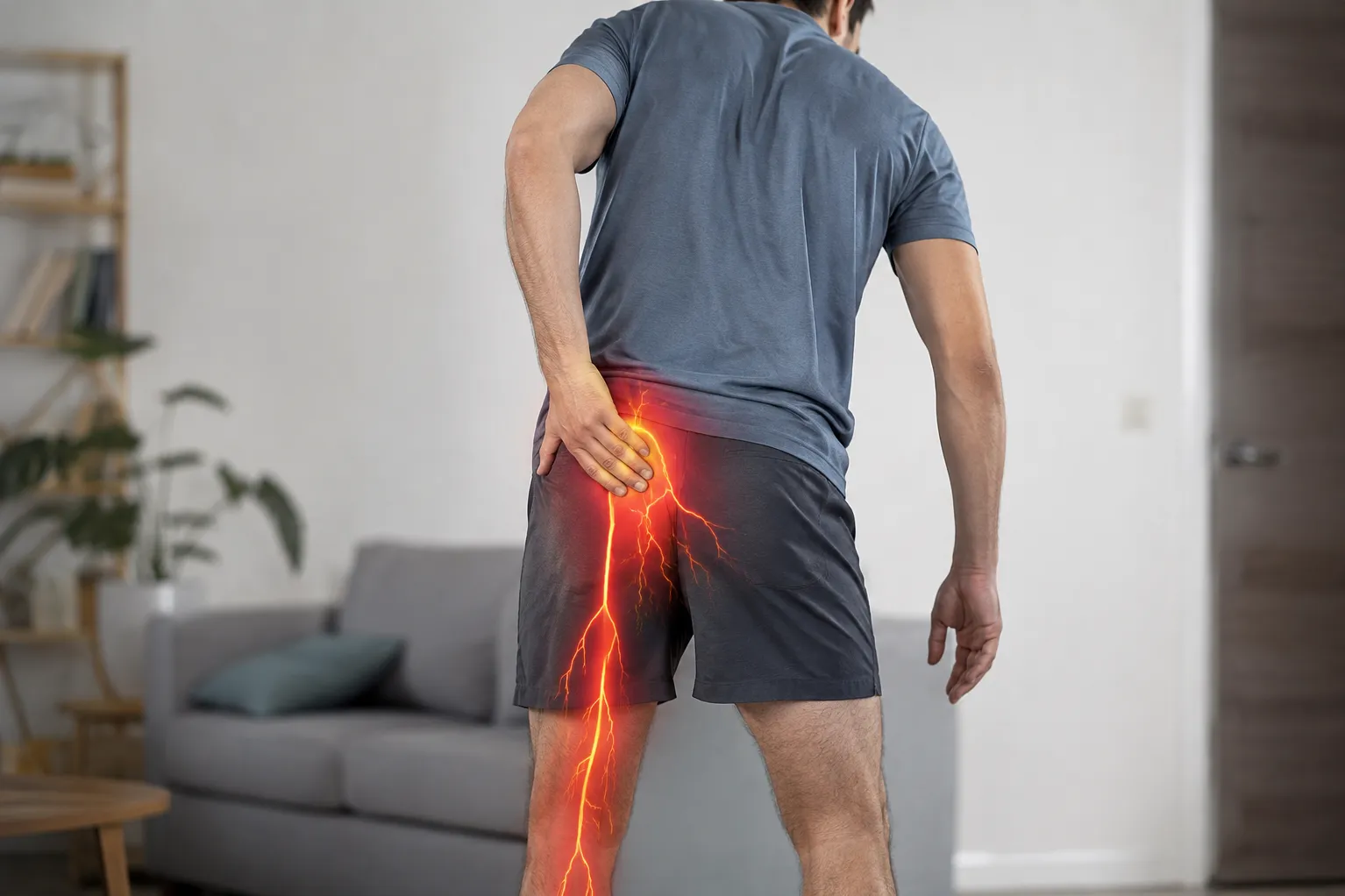
Pain that starts in the lower back and travels down the leg can make everyday activities challenging. Sitting for long hours, walking, climbing stairs, or even getting a good night's sleep may become uncomfortable. Sciatica is a condition that develops when the sciatic nerve becomes irritated or compressed, and while the symptoms vary from person to person, early attention can help prevent the problem from affecting daily life further. Ayurvedic treatment for Sciatica focuses on understanding the underlying imbalance and supporting the body's natural healing process through personalized care.
Many people in Pune and across Maharashtra are now exploring Ayurvedic management for sciatica as part of a comprehensive treatment plan for chronic pain.
What Exactly Is Sciatica?
Sciatica is not a disease itself but a collection of symptoms caused by irritation of the sciatic nerve, which runs from the lower back through the hips and down each leg.
Common symptoms include:
- Pain radiating from the lower back to the leg
- Tingling or numbness
- Burning sensation along the leg
- Muscle weakness
- Difficulty standing or walking for extended periods
- Increased pain after prolonged sitting
The severity of symptoms can range from mild discomfort to significant mobility limitations.
What Can Trigger Sciatica?
Several factors may contribute to the development of sciatica, including:
- Herniated or slipped discs
- Age-related spinal changes
- Poor posture
- Sedentary lifestyle
- Heavy lifting with improper technique
- Obesity
- Repetitive strain on the lower back
Understanding the cause is essential before deciding on any treatment approach.
How Ayurveda Approaches Sciatica
In Ayurveda, sciatica is often associated with an imbalance of Vata dosha, which governs movement and the nervous system. Rather than focusing only on pain relief, Ayurveda aims to improve overall musculoskeletal health by identifying the factors contributing to the condition.
Depending on the individual's assessment, treatment may include:
- Herbal medications
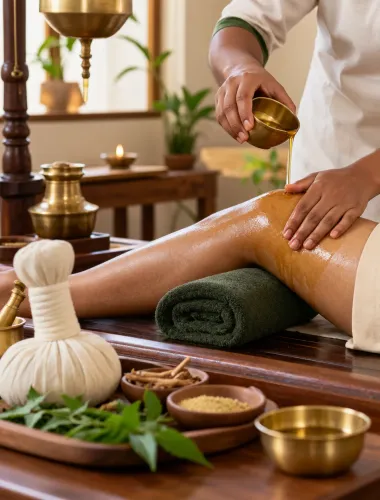
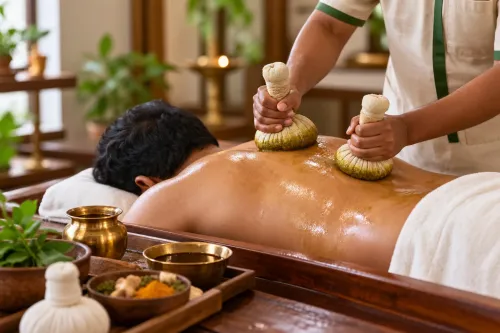
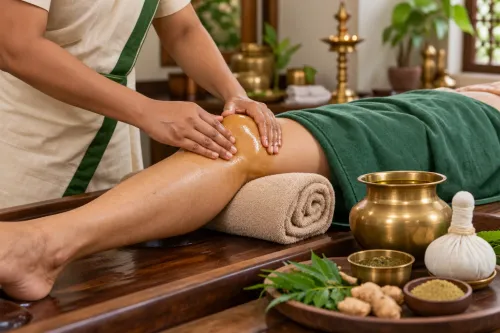
- External oil therapies
- Therapeutic massage
- Swedana (medicated steam therapy)
- Panchakarma procedures where appropriate
- Dietary recommendations
- Lifestyle modifications
The treatment plan is always personalized based on the patient's health condition.
Daily Habits That May Support Recovery
Along with medical treatment, simple lifestyle changes can help reduce stress on the spine.
These include:
- Maintaining proper sitting posture.
- Taking regular breaks from prolonged sitting.
- Performing doctor-recommended stretching exercises.
- Avoiding sudden heavy lifting.
- Maintaining a healthy body weight.
- Sleeping on a supportive mattress.
These habits complement professional care and may help reduce recurring discomfort.
When Should You Consult an Ayurvedic Doctor?
Do not ignore symptoms if they:
- Persist for several weeks
- Become progressively worse
- Affect walking or daily activities
- Cause numbness or muscle weakness
- Frequently recur despite home care
A detailed evaluation helps determine whether Ayurveda may be suitable as part of your treatment plan.
Choosing personalized Ayurvedic Care
When selecting an Ayurvedic treatment centre, look for qualified doctors who conduct comprehensive consultations rather than recommending standard therapies for every patient.
Healthcare providers such as Omkar Ayurved in Pune assess each patient's symptoms, medical history, lifestyle, and physical condition before developing an individual treatment plan for sciatica and related musculoskeletal disorders.
Ayurvedic treatment for Sciatica focuses on restoring functional movement, improving spinal health, and supporting long-term recovery through personalized therapies and healthy lifestyle practices. Early consultation and consistent care can play an important role in managing symptoms while improving overall quality of life.
Keywords