Back pain can develop after prolonged sitting, lifting, repetitive work, reduced physical activity, muscle strain, or age-related spinal changes. Because the causes vary widely, Ayurvedic treatment for backache should begin with understanding why the pain is occurring rather than immediately choosing a massage or home remedy.
Backache is particularly relevant for people with desk-based occupations and long commuting schedules in Pune. While many episodes are related to muscles and mechanical strain, persistent or severe pain deserves proper assessment.
Different Types of Back Pain Need Different Attention
Back pain can be acute, recurring, or chronic. It may remain localized or spread into the buttock or leg.
Useful details include:
- When the pain started
- Whether an injury occurred
- Activities that worsen it
- Whether rest improves it
- Presence of morning stiffness
- Pain spreading into the leg
- Numbness or weakness
- Previous episodes
- Existing spinal diagnoses
These details can help determine whether conservative care is reasonable or further investigation is needed.
How Ayurveda May Approach Backache
Ayurvedic management is individualized according to the person's symptoms and assessment.
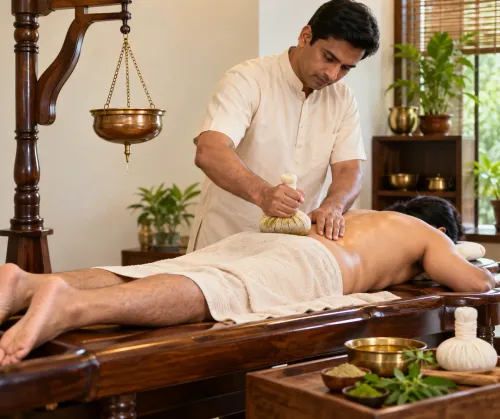
Depending on suitability, a plan may incorporate Ayurvedic medicines, local therapies, dietary recommendations, gentle activity, posture guidance, and selected Panchakarma procedures.
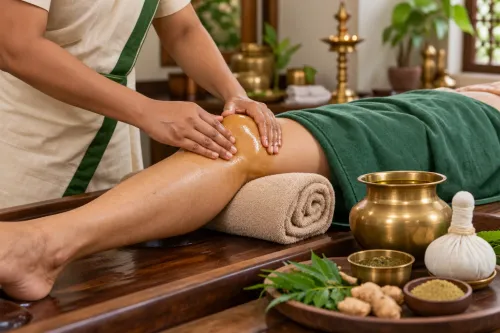
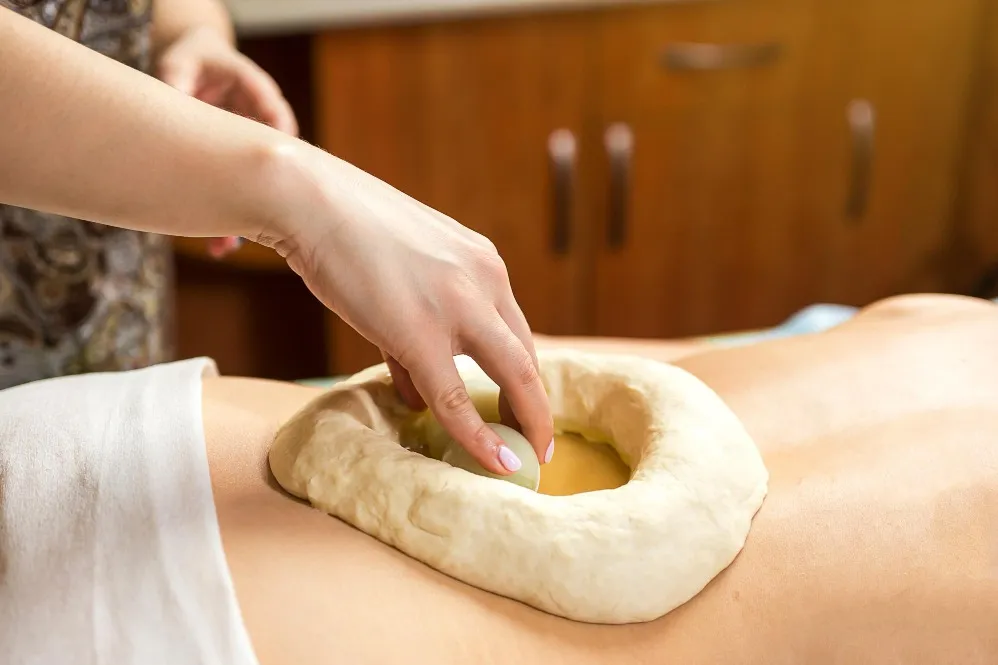
External therapies such as localized oil applications may be used in certain cases, but the appropriate treatment depends on the cause and stage of the condition.
Simply receiving repeated massage without understanding persistent pain is not a substitute for diagnosis.
Daily Movement Can Make a Difference
For many people with uncomplicated mechanical back discomfort, avoiding prolonged inactivity is important. Movement should be appropriate to the condition and guided by professional advice when pain is significant.
Office workers can also pay attention to:
- Chair and desk height
- Screen positioning
- Regular movement breaks
- Safe lifting technique
- Appropriate exercise
- Sleep position and mattress comfort
These practical factors can support a broader treatment programme.
Know the Warning Signs
Some back pain requires prompt medical evaluation.
Seek appropriate medical attention if pain follows major trauma or occurs with significant leg weakness, numbness around the groin, loss of bladder or bowel control, unexplained fever, unexplained weight loss, or other concerning symptoms.
People with osteoporosis, cancer history, serious infections, or significant neurological symptoms may also require conventional investigation before therapies are started.
Combining Traditional Care With Proper Evaluation
If an X-ray, MRI, blood test, or specialist assessment has already been performed, take those reports to your Ayurvedic consultation. Existing findings can provide useful context.
At Omkar Ayurved, patients seeking Ayurvedic management for back discomfort can be evaluated before a treatment plan is suggested. This helps distinguish cases suitable for conservative Ayurvedic support from those requiring additional medical assessment.
Focus on Sustainable Spine Health
Backache management should not end when discomfort temporarily improves.
Maintaining an appropriate body weight, strengthening supporting muscles, staying physically active, improving workplace ergonomics, and avoiding repeated strain may reduce future episodes for many people.
For residents of Pune and surrounding areas, Ayurveda can form part of a structured approach to backache when treatment is personalized and accompanied by sensible lifestyle measures. The aim should be responsible management and better day-to-day function rather than promises of instant or permanent relief.
Keywords