Gallstones are solid deposits that develop inside the gallbladder. Some are discovered incidentally and cause no symptoms, while others can produce significant abdominal pain and complications. People searching for Ayurvedic treatment for Gall stones should understand the nature of the condition before deciding how it should be managed.
For patients in Pune and other parts of Maharashtra, an ultrasound report often leads to questions about diet, Ayurveda, medication, and whether surgery is necessary. The answer depends heavily on symptoms and clinical findings.
Gallstones Do Not Affect Everyone the Same Way
Some people have gallstones without experiencing any symptoms. Others develop episodes of pain, commonly in the upper right or upper central abdomen, particularly when a stone obstructs normal bile flow.
Symptoms potentially associated with gallbladder disease can include abdominal pain, nausea, vomiting, and digestive discomfort.
However, indigestion and acidity alone do not prove that gallstones are responsible.
Ultrasound Findings Need Clinical Interpretation
The number and size of stones are useful information, but management cannot be decided from a single line in an ultrasound report.
Doctors also consider symptoms, gallbladder condition, signs of inflammation, bile duct involvement, and the patient's overall health.
This is particularly important when someone has recurrent episodes of characteristic gallbladder pain.
Where Ayurveda May Be Discussed
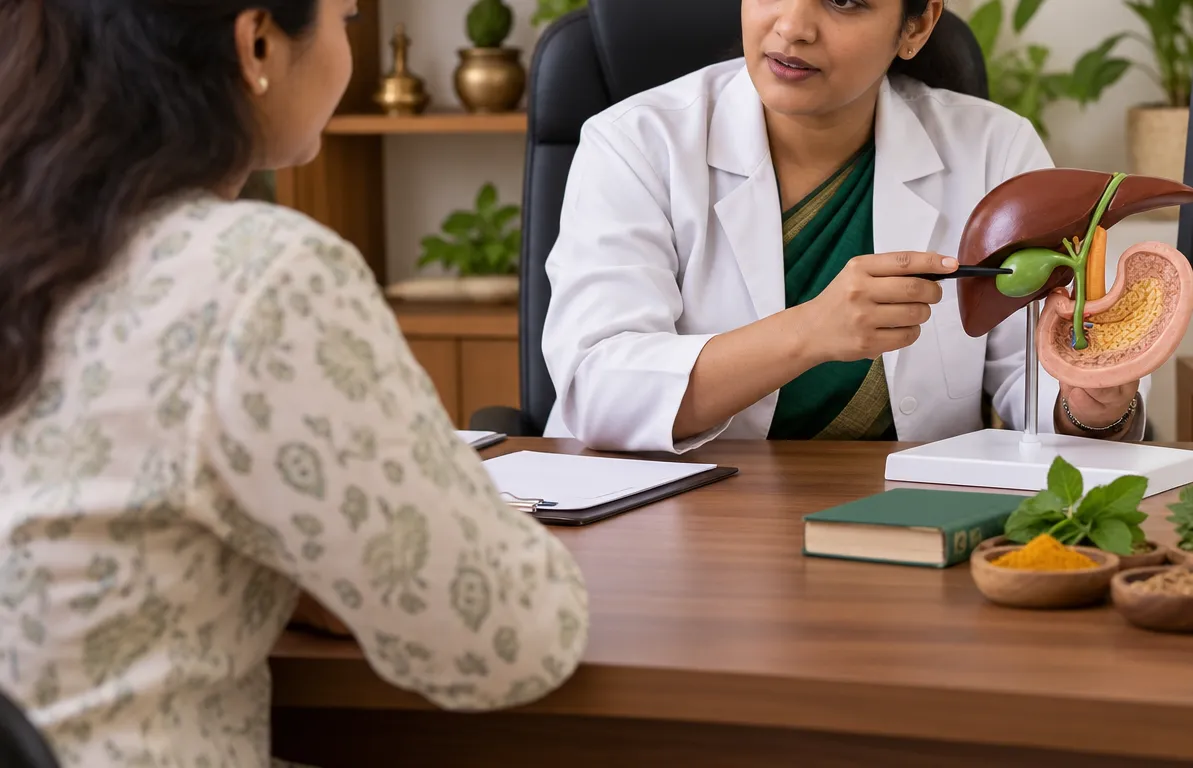
Patients interested in Ayurveda can have their reports reviewed and discuss diet, digestive health, lifestyle, and individualized Ayurvedic management.
At Omkar Ayurved, consultation can help determine whether supportive Ayurvedic care is appropriate while recognizing circumstances in which surgical or specialist evaluation should take priority.
Patients should be cautious about any claim that a remedy can reliably dissolve every gallstone or guarantee that surgery will never be required.
Know the Symptoms That Need Prompt Attention
Gallstone complications can become serious.
Seek prompt medical evaluation for severe or persistent upper abdominal pain, particularly when accompanied by:
- Fever or chills
- Persistent vomiting
- Yellowing of the eyes or skin
- Dark urine
- Significant tenderness
- Increasing weakness or illness
These symptoms can indicate complications requiring urgent medical care.
Diet May Help With Symptom Management
Patients with gallbladder symptoms are often interested in dietary changes.
Rather than following extreme internet diets, it is better to maintain balanced nutrition and identify foods that consistently trigger symptoms. Large, very fatty meals may aggravate symptoms in some people.
Dietary recommendations should also take into account diabetes, kidney disease, pregnancy, nutritional requirements, and other medical conditions.
Ask the Right Questions During Consultation
If you are exploring Ayurvedic management, ask whether your current symptoms are compatible with uncomplicated gallstones, whether additional investigation is needed, and what the proposed treatment is expected to accomplish.
Also ask which symptoms should prompt immediate hospital evaluation.
This creates clear boundaries between supportive management and situations that require conventional intervention.
Make Safety Part of the Decision
A patient with an incidental, asymptomatic gallstone has a different clinical situation from someone experiencing recurrent severe attacks or complications.
That distinction should guide treatment decisions.
For Pune residents interested in Ayurveda, the most responsible approach is to combine individual assessment with careful review of ultrasound findings and symptoms. Ayurvedic care can be discussed where appropriate, but potentially complicated gallbladder disease should never be delayed by relying solely on home remedies or unverified claims.
Keywords