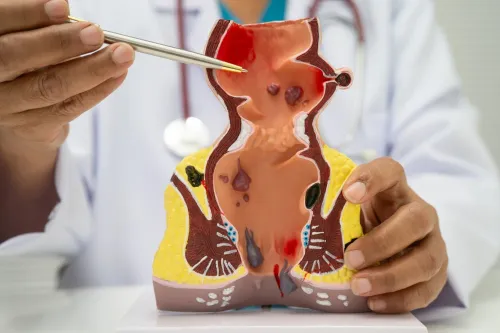
Pain travelling from the lower back or buttock into the leg is frequently described as sciatica. For some people, it is accompanied by tingling, numbness, or weakness. Because these symptoms can indicate irritation or compression involving a spinal nerve, Ayurvedic treatment for Sciatica should be selected after a proper assessment.
People in Pune seeking non-surgical or traditional approaches often explore Ayurveda for persistent back and leg discomfort. Before starting therapy, however, it helps to understand what should be evaluated.
Confirm Whether the Symptoms Resemble Sciatica
Sciatica describes a pattern of symptoms rather than one single disease.
Typical complaints can include:
- Pain extending from the lower back into one leg
- Buttock pain
- Tingling or pins and needles
- Numbness
- Burning or electric-like sensations
- Symptoms aggravated by particular movements
A slipped or herniated disc is one possible cause, but spinal narrowing and other conditions can also produce nerve-related symptoms.
Check for Warning Signs First
Certain symptoms require urgent conventional medical assessment.
These include new bladder or bowel control problems, numbness around the saddle or groin area, rapidly progressing leg weakness, severe symptoms affecting both legs, or major trauma.
Such symptoms should not be managed by waiting for massage, home remedies, or routine outpatient therapy.
Review Existing Reports
If you already have an MRI, X-ray, orthopedic consultation, or neurological assessment, take the reports to your Ayurvedic practitioner.
Imaging findings should be interpreted alongside symptoms because not every change visible on a scan is necessarily responsible for pain.
A clinical examination remains important.
Understand the Proposed Ayurvedic Plan
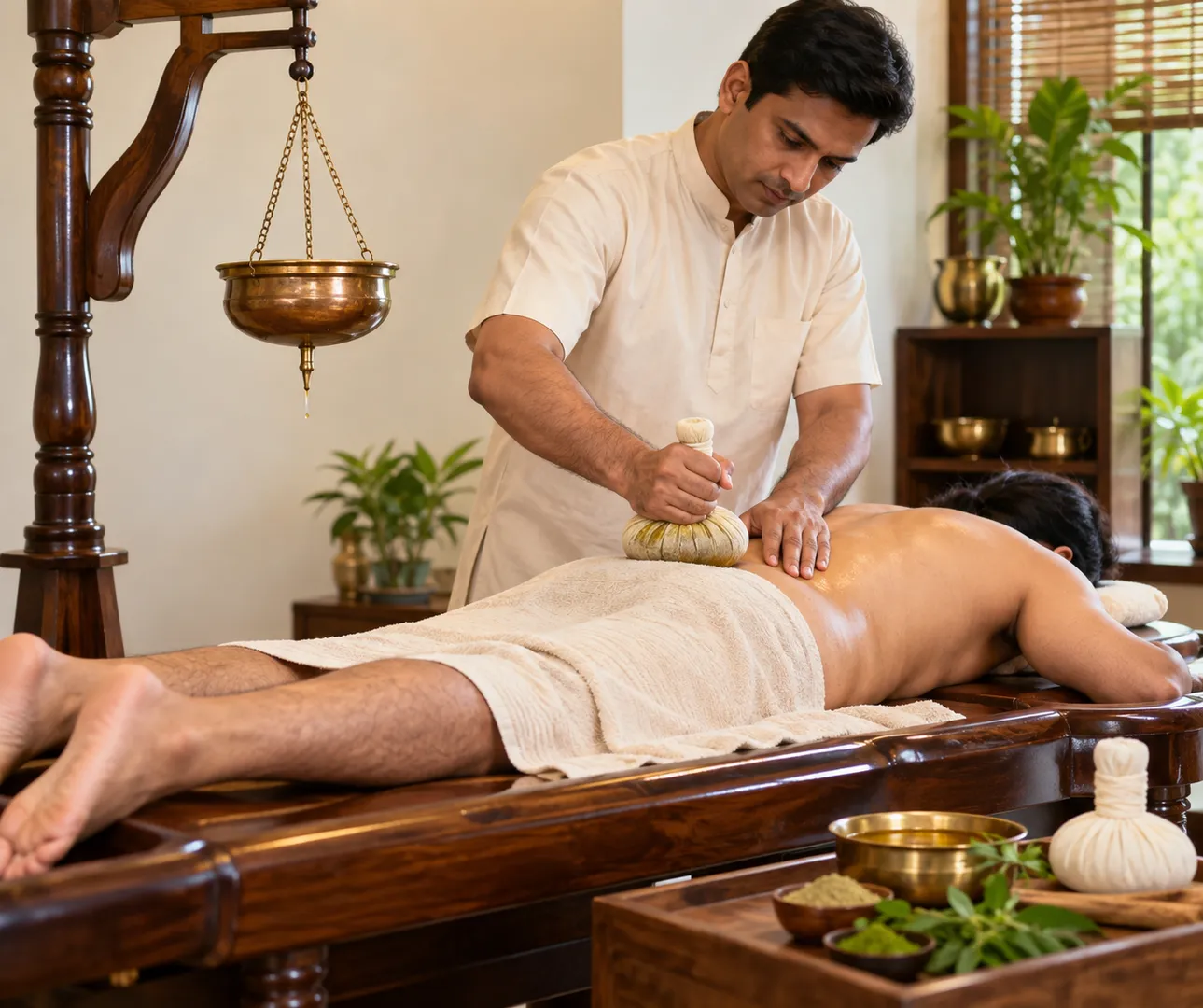
Depending on individual assessment, Ayurvedic management may include medicines, local therapies, selected Panchakarma procedures, dietary guidance, and recommendations about movement and daily activities.
At Omkar Ayurved, patients considering an Ayurvedic approach can discuss the duration and pattern of symptoms, previous treatment, diagnostic findings, and current medications before therapy is selected.
Patients should ask what each recommended treatment is intended to achieve rather than simply choosing a package based on the number of therapy sessions.
Consider Your Daily Routine
Long hours at a desk, prolonged driving, poor lifting technique, and repeated bending may aggravate some forms of back and leg discomfort.
Pune's working population often has a combination of sedentary office routines and lengthy commuting, making practical lifestyle modifications particularly relevant.
Regular movement, appropriate strengthening, physiotherapy, and ergonomic changes may be advised depending on the diagnosis.
Avoid Complete Rest Without Advice
People with severe pain naturally want to stop moving altogether. However, prolonged bed rest is not routinely suitable for uncomplicated back pain and sciatica.
The appropriate level of activity depends on symptoms and clinical findings. Patients should receive individualized advice about walking, exercise, lifting, and returning to work.
Look for a Treatment Plan With Clear Follow Up
Sciatica can change over time, so progress should be reassessed.
Increasing weakness, worsening numbness, or failure to improve may require further investigation or specialist referral.
For patients in Pune and Maharashtra, Ayurvedic treatment can be considered as part of conservative management when clinically appropriate. The safest approach is one that distinguishes ordinary nerve-related pain from warning signs, uses existing medical information intelligently, and focuses on restoring comfortable movement rather than promising a guaranteed cure.
Keywords