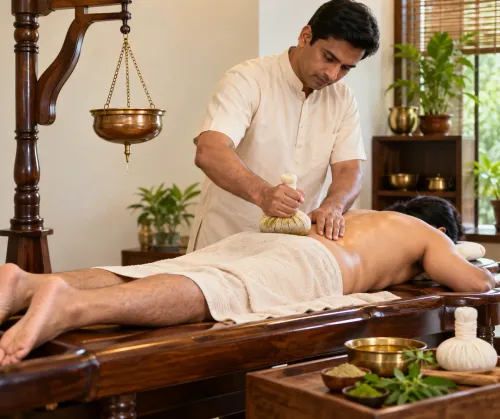
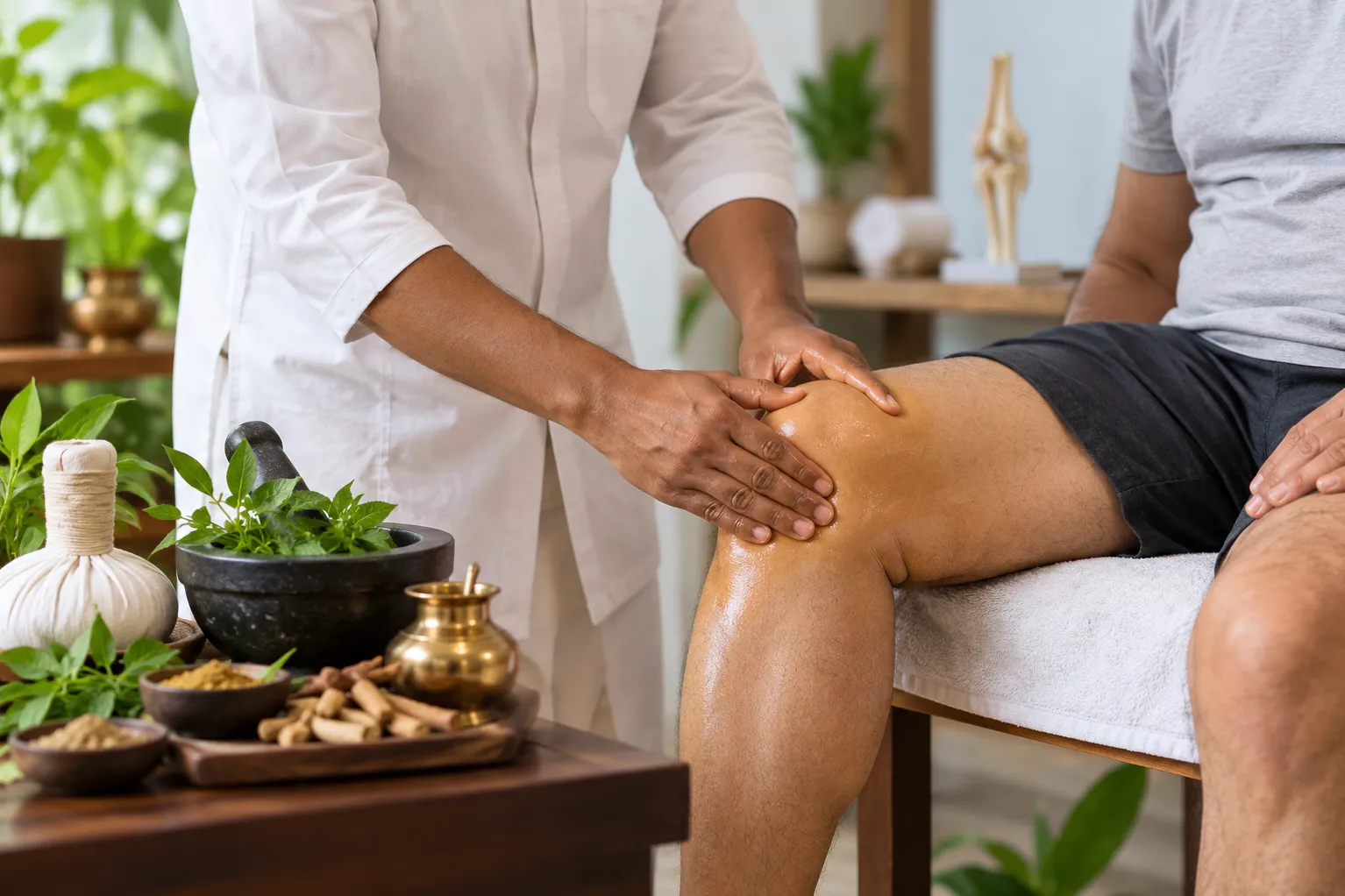
Knee pain can make ordinary activities such as walking, climbing stairs, getting up from a chair, and exercising increasingly difficult. While occasional discomfort may settle with rest and activity modification, persistent symptoms deserve assessment. People considering Ayurvedic treatment for Knee pain should first identify what may be affecting the joint.
In Pune, knee problems are common among older adults as well as younger people with sports injuries, sedentary lifestyles, physically demanding occupations, or previous joint trauma.
Signs That Your Knee Needs Assessment
Consider professional evaluation when pain repeatedly returns, lasts for several weeks, limits walking, or interferes with normal activities.
Other important symptoms include swelling, stiffness, locking, instability, clicking accompanied by pain, and reduced movement.
The pattern provides useful information. Pain after a sports injury, for example, requires a different assessment from gradually developing knee pain in an older adult.
Different Causes Require Different Plans
Knee discomfort can arise from osteoarthritis, ligament injuries, meniscal problems, tendon irritation, bursitis, inflammatory arthritis, and several other conditions.
This is why treating every painful knee with the same oil application or massage is unlikely to be appropriate.
Existing X-rays, MRI scans, blood investigations, and orthopedic reports can be useful when developing a treatment plan.
What Ayurvedic Management May Include
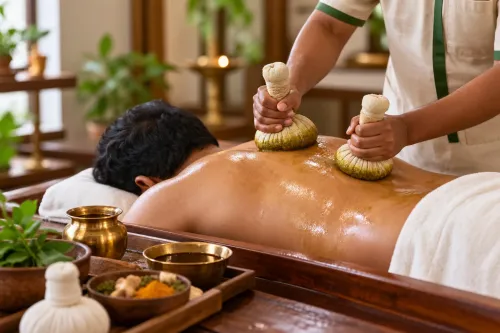
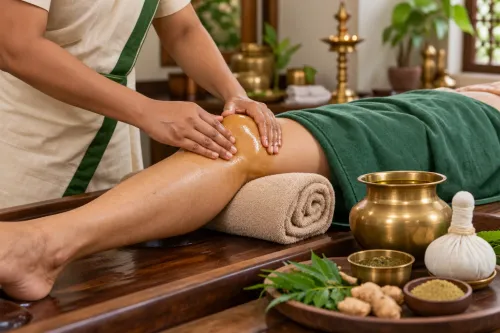
Following assessment, Ayurvedic care may involve individualized medicines, external therapies, dietary recommendations, selected Panchakarma procedures, and guidance on activity.
The precise approach depends on the diagnosis, severity, age, general health, and mobility of the patient.
At Omkar Ayurved, patients can discuss these factors before deciding whether an Ayurvedic management programme is appropriate.
Strength and Body Weight Matter
Treatment does not stop at reducing discomfort.
Muscles surrounding the knee help support movement and stability. Appropriate strengthening and mobility exercises may therefore form an important part of management.
For people who are overweight, gradual weight management may also reduce mechanical stress on weight-bearing joints.
Exercise selection should reflect the patient's condition. Someone with severe pain or a recent injury should not copy an exercise routine from the internet without appropriate guidance.
When Immediate Attention Is Needed
Seek medical evaluation promptly if knee pain follows significant trauma, the joint looks deformed, you cannot bear weight, or there is marked swelling.
A hot, red, severely painful joint accompanied by fever also requires prompt medical attention.
Sudden calf swelling or pain should likewise not simply be treated as routine knee discomfort.
Questions to Ask Before Beginning Treatment
A useful consultation should answer practical questions.
What is the likely cause of the pain? Are investigations required? Which Ayurvedic therapies are being recommended? How long will the initial management period last? What activities should be avoided? Should physiotherapy or strengthening be included?
Clear answers make it easier to understand what the treatment is intended to achieve.
Choose Care Based on Function
For Pune residents with recurring knee problems, the right time to seek help is often before mobility becomes severely restricted.
Ayurvedic treatment may form part of a broader conservative management strategy for selected patients. A responsible plan should focus on the actual cause of the symptoms, maintaining joint movement, improving everyday function, and recognizing cases that require orthopedic or other specialist care.
Keywords