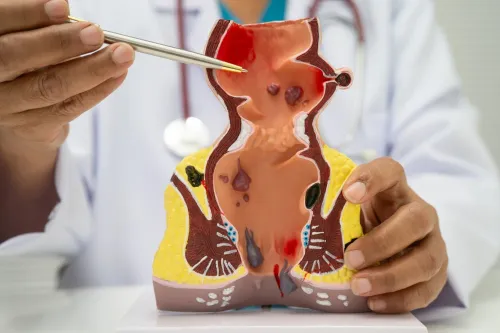
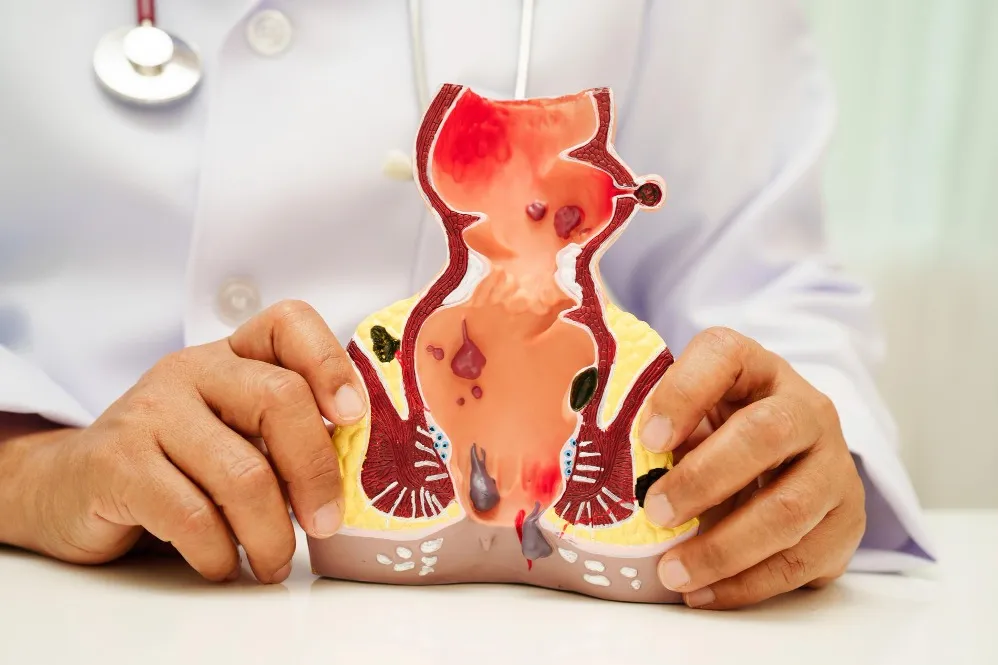
Pain, itching, swelling, or bleeding during bowel movements can lead people to assume they have piles. However, these symptoms can also occur with fissures, infections, inflammatory bowel conditions, and other anorectal problems. Before beginning Ayurvedic treatment for piles, confirming the cause of the symptoms is important.
For people in Pune seeking traditional treatment options, an Ayurvedic consultation can help assess symptoms and discuss suitable conservative measures where appropriate.
Understanding Piles
Piles, also called hemorrhoids, are swollen vascular structures around the anus or lower rectum. They may be internal or external and can produce different symptoms.
Common complaints can include:
- Bright red bleeding during bowel movements
- Itching around the anus
- Swelling or a lump
- Discomfort while sitting
- Pain in some cases
- A feeling of incomplete evacuation
Not every patient experiences all of these symptoms.
Constipation Often Needs Attention
Straining during bowel movements can aggravate hemorrhoidal symptoms. This makes bowel habits an important part of conservative management.
Depending on individual requirements, patients may be advised to improve dietary fibre, fluid intake, physical activity, and regular bowel habits.
Ignoring the urge to pass stool and repeatedly straining should generally be avoided.
How Ayurvedic Management May Be Planned
Ayurvedic treatment varies according to symptoms, severity, bowel habits, general health, and clinical assessment.
Management may include dietary and lifestyle guidance, Ayurvedic formulations, local care, and specific procedures when indicated and provided by appropriately trained practitioners.
Patients should ask exactly what procedure is being recommended, why it is suitable, expected recovery, possible risks, and whether alternative treatments are available.
Do Not Assume All Rectal Bleeding Is Piles
This is particularly important.
Rectal bleeding should not automatically be attributed to hemorrhoids, especially when it is persistent, recurrent, unexplained, associated with changes in bowel habits, or accompanied by weight loss, abdominal symptoms, weakness, or anemia.
Medical evaluation may be necessary to exclude other causes.
Know When Conservative Care May Not Be Enough
Mild symptoms may sometimes improve with changes to bowel habits and appropriate treatment. More advanced or persistent cases may require procedural or surgical evaluation.
At Omkar Ayurved, patients exploring an Ayurvedic approach can first undergo an assessment to understand their symptoms and discuss whether conservative Ayurvedic management is appropriate.
The clinic's location in Pune also makes follow-up practical for local patients when a condition requires repeated assessment rather than a one-time consultation.
Improve Everyday Bowel Habits
Patients can support treatment by avoiding unnecessary straining and maintaining regular routines.
Practical measures may include:
- Eating adequate fibre when medically appropriate
- Drinking sufficient fluids
- Staying physically active
- Avoiding prolonged sitting on the toilet
- Responding to the natural urge for bowel movement
- Seeking treatment for persistent constipation
Recommendations should be adjusted for people who have dietary restrictions or other medical conditions.
Choose Assessment Before Self-Diagnosis
Piles are common, but symptoms around the anal region should still be approached carefully.
For residents of Pune and surrounding areas considering Ayurvedic treatment, the first priority should be identifying whether hemorrhoids are actually responsible for the symptoms. Once the diagnosis and severity are clearer, an individualized plan can address bowel habits, lifestyle factors, symptom management, and appropriate treatment options without making unrealistic promises.
Keywords