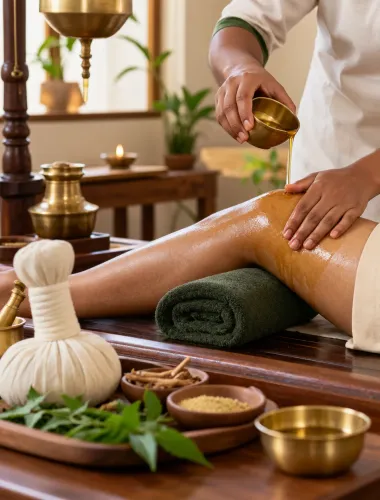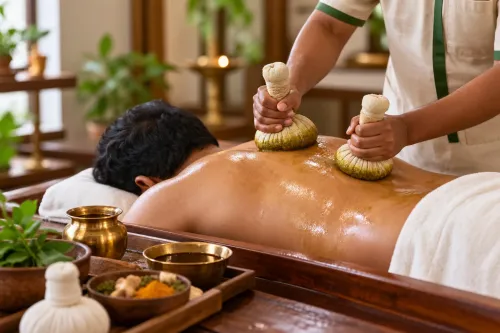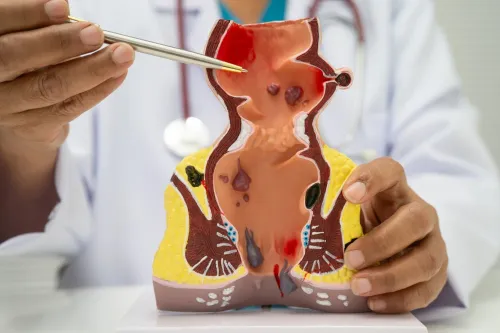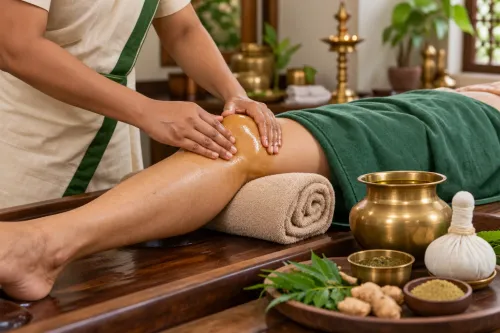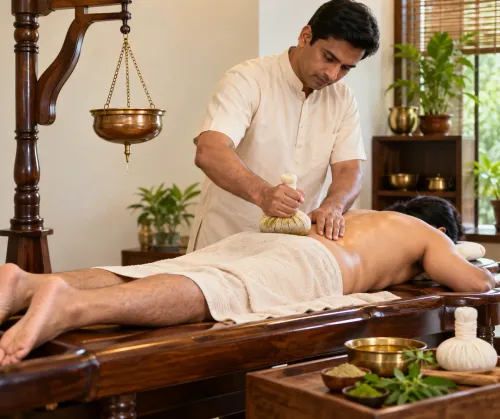
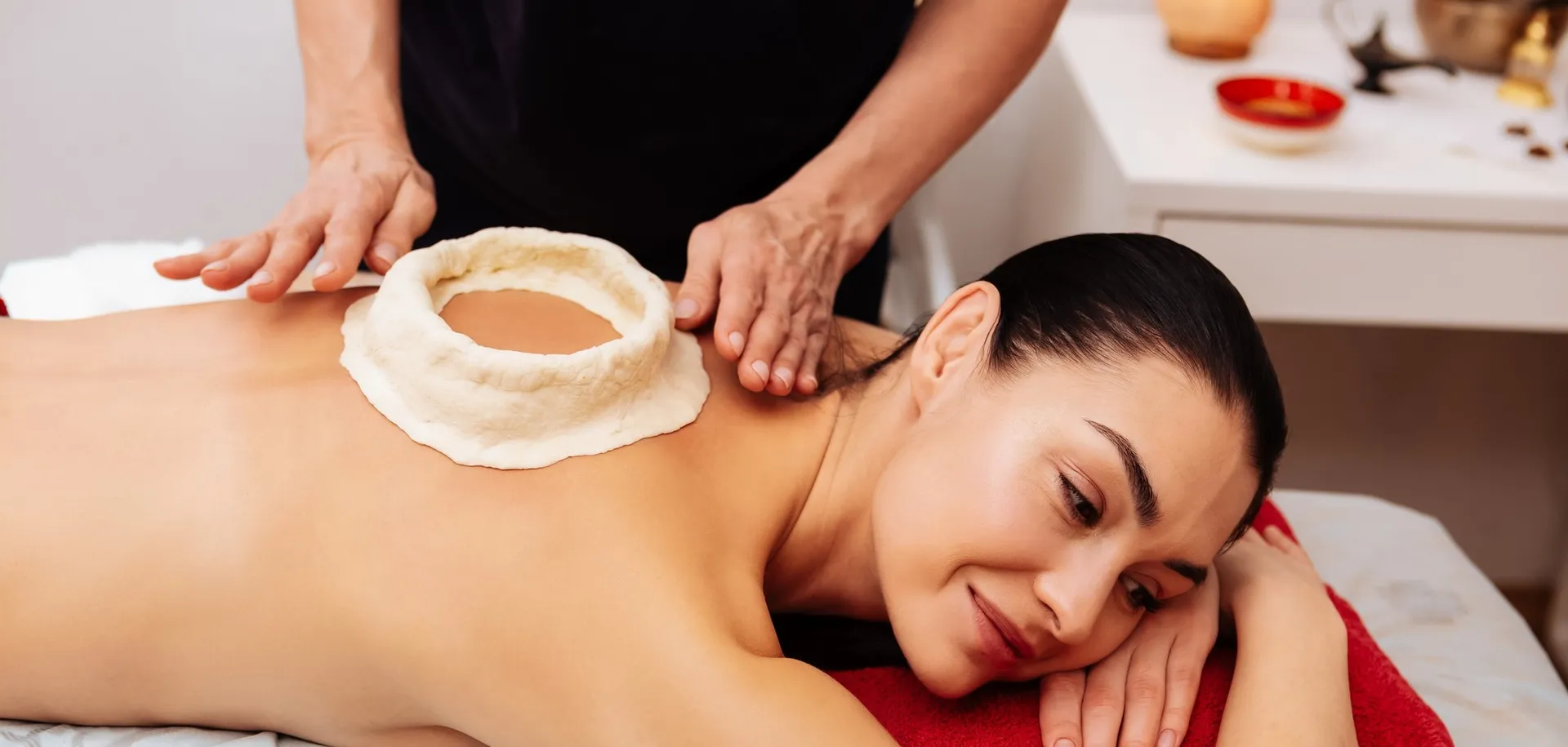
Living with a chronic health condition often means managing recurring symptoms that affect everyday life. Whether it is persistent joint discomfort, digestive issues, stress-related problems, or certain lifestyle disorders, many people look beyond short-term symptom management and explore holistic treatment options. Panchakarma treatment is one of the most recognised therapies in Ayurveda for supporting the body's natural healing processes through personalized cleansing and rejuvenation.
Across Pune and Maharashtra, there is growing interest in understanding when Panchakarma is appropriate and how it differs from general wellness therapies.
Is Panchakarma Suitable for Every Health Condition?
A common misconception is that Panchakarma is a universal treatment suitable for everyone. In reality, Ayurveda recommends Panchakarma only after evaluating the patient's overall health, body constitution, disease stage, digestive strength, and medical history.
Depending on the individual assessment, Panchakarma may be considered for people experiencing:
- Chronic joint and muscle pain
- Digestive disorders
- Certain skin conditions
- Lifestyle-related health concerns
- Stress-related imbalances
- Long-standing musculoskeletal discomfort
The exact therapies vary according to each person's health requirements.
How Panchakarma Differs from General Detox Programmes
Many commercial detox programmes focus primarily on temporary cleansing. Panchakarma follows a structured therapeutic process based on classical Ayurvedic principles.
A personalized programme generally includes:
- Preparation therapies to loosen accumulated toxins.
- Carefully selected cleansing procedures based on the patient's condition.
- Recovery measures that include dietary guidance, lifestyle recommendations, and gradual restoration of digestive strength.
This comprehensive approach makes Panchakarma significantly different from standard detox packages.
Signs That You May Benefit from an Evaluation
Rather than deciding independently, it is advisable to consult an Ayurvedic doctor if you experience:
- Recurring health problems despite lifestyle changes
- Long-term digestive discomfort
- Frequent body stiffness
- Chronic fatigue
- Poor sleep associated with stress
- Persistent skin concerns
- Reduced overall vitality
These symptoms do not automatically indicate the need for Panchakarma, but they warrant a professional assessment.
Questions to Ask Before Starting Panchakarma
Choosing the right treatment begins with asking the right questions.
Consider discussing the following with your Ayurvedic doctor:
- Is Panchakarma appropriate for my condition?
- Which therapies are recommended?
- How long will treatment take?
- Are dietary changes required?
- What precautions should I follow?
- How should I prepare before treatment?
Understanding these aspects helps set realistic expectations.
Why Individualisation Is Important
Two people with similar symptoms may receive different Panchakarma recommendations because Ayurveda considers multiple factors beyond the disease itself.
These include:
- Age
- Body constitution
- Lifestyle
- Existing medical conditions
- Digestive capacity
- Seasonal influences
This personalized approach aims to make treatment suitable for each individual's needs.
Choosing a Qualified Panchakarma Centre
Before beginning treatment, ensure the centre offers:
- Consultation by qualified Ayurvedic doctors
- Individual treatment planning
- Authentic Ayurvedic procedures
- Hygienic therapy facilities
- Appropriate dietary guidance
- Follow-up care after treatment
These factors contribute to a safe and effective treatment experience.
Many healthcare providers in Pune, including Omkar Ayurved, follow classical Ayurvedic assessment methods before recommending Panchakarma, ensuring therapies are based on individual health requirements rather than a standard protocol.
Panchakarma treatment is not simply a cleansing therapy—it is a personalized Ayurvedic approach designed to support long-term health by addressing underlying imbalances. A thorough consultation with an experienced Ayurvedic doctor helps determine whether this traditional therapy is appropriate for your specific condition.
Keywords