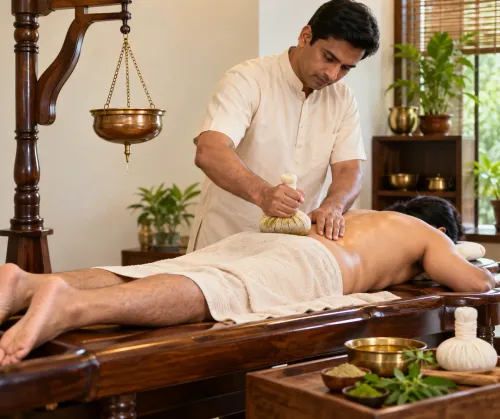
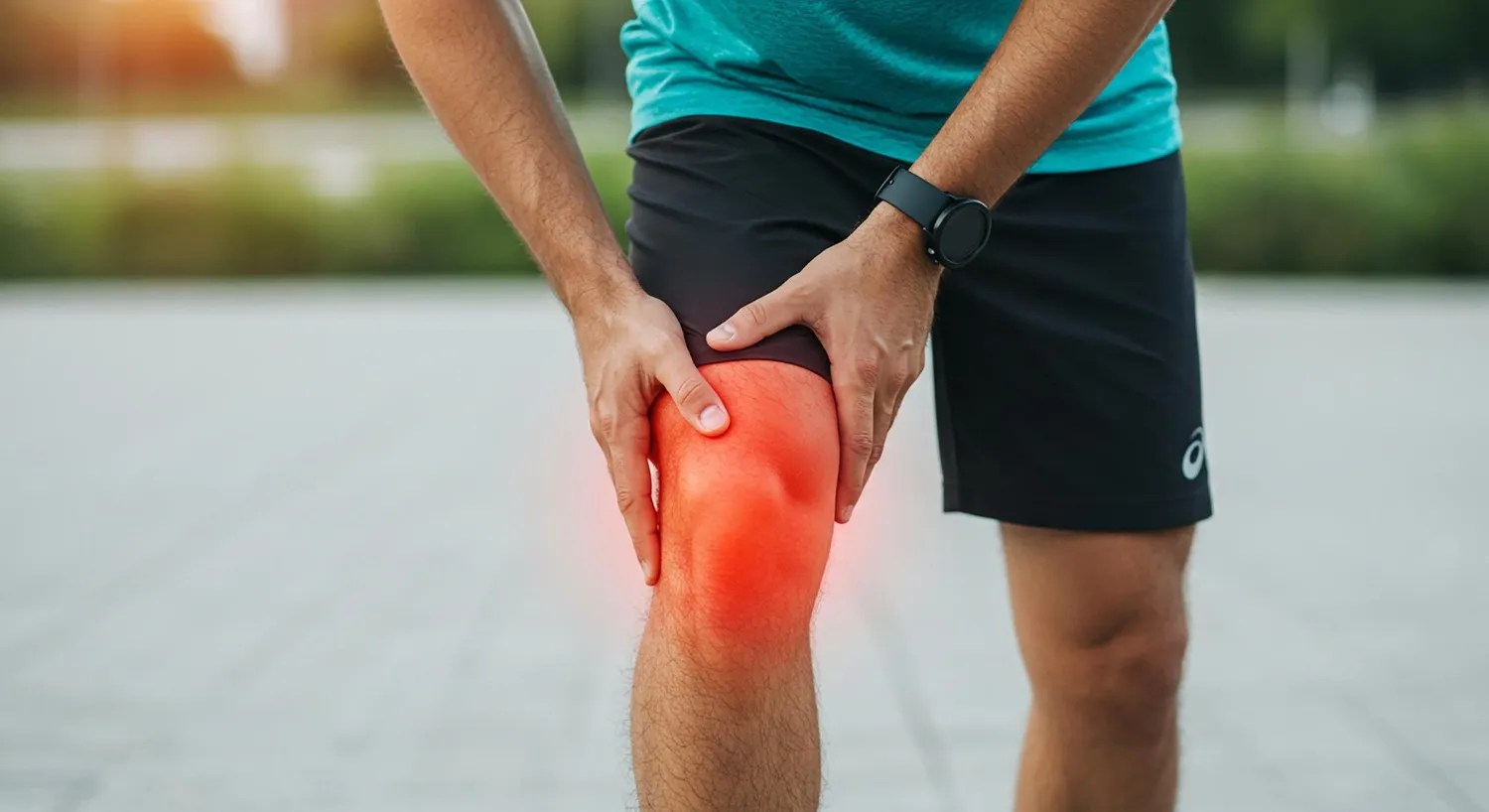
Knee pain is a common concern that affects people across different age groups. While occasional discomfort after physical activity is usually temporary, pain that continues for weeks or repeatedly interferes with daily activities should not be ignored. Walking, climbing stairs, standing for long periods, and even sitting comfortably may become difficult. Ayurvedic treatment for Knee pain offers a personalized approach that focuses on improving joint function while addressing factors contributing to ongoing discomfort.
As awareness of holistic healthcare grows in Pune and Maharashtra, many individuals are exploring Ayurvedic care for chronic knee problems alongside healthy lifestyle changes.
Common Causes of Knee Pain
Knee pain may develop due to several reasons, such as:
- Osteoarthritis
- Ligament injuries
- Cartilage damage
- Age-related joint degeneration
- Obesity
- Repetitive strain
- Sports injuries
- Inflammatory joint conditions
Proper diagnosis is essential because treatment varies depending on the underlying cause.
Symptoms That Should Not Be Ignored
Some signs indicate that professional medical evaluation is necessary.
Watch for symptoms such as:
- Persistent pain lasting several weeks
- Swelling around the knee
- Morning stiffness
- Difficulty climbing stairs
- Reduced flexibility
- Pain while walking
- Joint instability
- Difficulty standing after prolonged sitting
Ignoring these symptoms may affect mobility over time.
How Ayurveda Supports Knee Health
Ayurveda considers knee pain in relation to the body's overall balance rather than focusing only on the affected joint.
After a detailed consultation, treatment may include:
- Herbal medicines
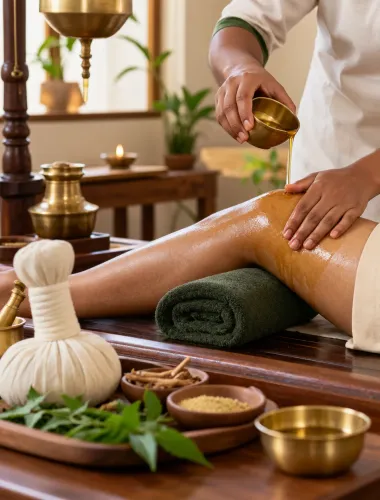
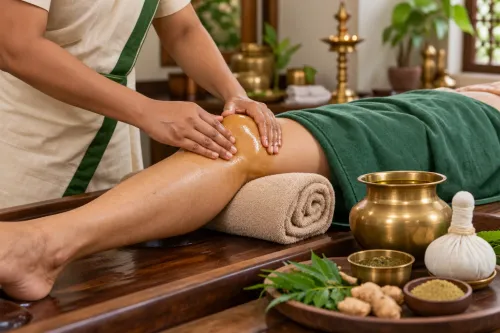
- Medicated oil applications
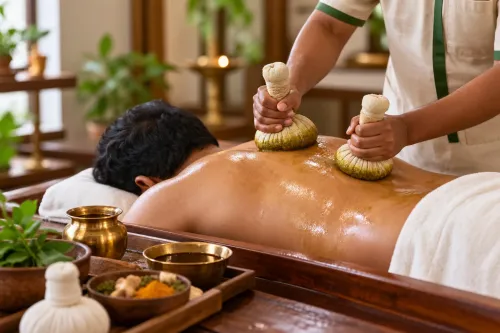
- Therapeutic massages
- Swedana therapies
- Panchakarma where clinically appropriate
- Dietary recommendations
- Lifestyle guidance
Each treatment plan is customised according to the patient's body constitution and health condition.
Everyday Practices That Protect Your Knees
Healthy joints require regular care. Some useful habits include:
- Maintaining a healthy weight.
- Performing low-impact physical activities.
- Avoiding prolonged standing when possible.
- Using proper posture during daily activities.
- Following an anti-inflammatory diet recommended by your doctor.
- Wearing supportive footwear.
These measures help reduce unnecessary stress on the knee joints.
What to Expect During an Ayurvedic Consultation
During your first consultation, an Ayurvedic doctor may assess:
- Your medical history
- Nature and duration of pain
- Walking pattern
- Joint mobility
- Lifestyle habits
- Dietary practices
- Overall physical health
This evaluation helps create an individual treatment strategy rather than relying on general recommendations.
Selecting the Right Ayurvedic Healthcare Provider
Choosing an experienced treatment centre is important for long-term care.
Look for providers offering:
- Qualified Ayurvedic doctors
- personalized consultation
- Individual treatment planning
- Authentic therapies
- Regular follow-up
- Dietary and lifestyle counselling
Healthcare centres such as Omkar Ayurved in Pune follow a patient-specific approach before recommending Ayurvedic therapies for knee pain and other chronic musculoskeletal conditions.
Ayurvedic treatment for Knee pain aims to improve mobility, support joint health, and encourage sustainable lifestyle changes that contribute to better long-term function. Seeking timely medical guidance can help individuals better understand their condition and receive treatment suited to their specific healthcare needs.
Keywords